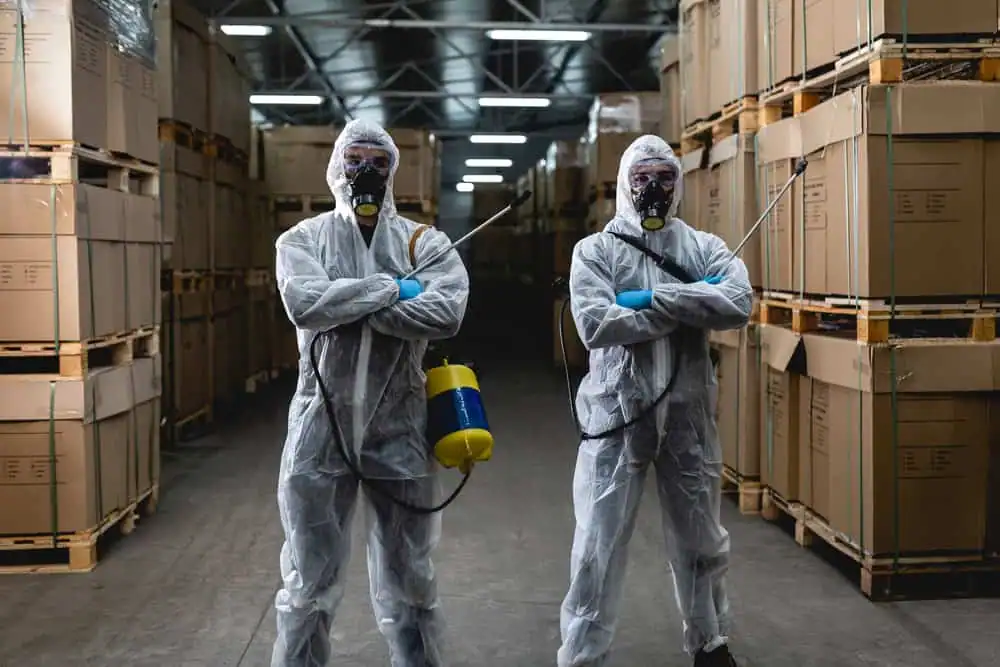
Summary:
Step 1: The Professional Home Pest Inspection Process
Before any treatment happens, we conduct what’s essentially a detective investigation of your property. This isn’t a quick walkthrough—it’s a systematic examination designed to identify not just the pests you see, but the ones you don’t.
The inspection starts outside your home, where we examine your foundation, landscaping, and potential entry points. We’re looking for cracks, moisture issues, and conditions that attract pests. Then we move inside, checking areas most homeowners never think to look: behind appliances, in crawl spaces, around plumbing fixtures, and other hidden spots where pests actually live and breed.
This step typically takes 30-60 minutes because thoroughness matters. A missed entry point or unidentified pest species means the treatment won’t work long-term.
What Exterminators Look for During Home Pest Inspections
Professional exterminators are trained to spot signs that most people miss entirely. We’re not just looking for live pests—we’re reading the story your home tells about pest activity.
Droppings tell us what type of pest and how severe the infestation. Grease marks on walls indicate rodent travel routes. Tiny holes in wood suggest termite or carpenter ant activity. Moisture around pipes signals conditions that attract certain insects. Even the smell in certain areas provides clues about hidden infestations.
We also identify what pest control professionals call “conducive conditions”—things that make your home attractive to pests. This might include standing water, food sources, clutter that provides hiding spots, or structural issues that create entry points. Understanding these conditions is crucial because eliminating them prevents future infestations.
The inspection also involves identifying the specific species causing problems. Different pests require different treatment approaches. What works for carpenter ants won’t eliminate termites. The method for controlling mice differs from rat control strategies. Professional identification ensures the right treatment gets applied from the start.
During this phase, we also assess the extent of any damage. Some pests, like termites, can compromise structural integrity. Others, like rodents, might have contaminated insulation or chewed through wiring. This assessment helps homeowners understand not just the pest problem, but any secondary issues that need attention.
Why Professional Pest Identification Matters More Than You Think
Here’s something most homeowners don’t realize: pest identification isn’t just about knowing what you’re dealing with—it’s about understanding behavior patterns that determine treatment success.
Take ants, for example. Carpenter ants require different strategies than pavement ants or odorous house ants. Carpenter ants nest in wood and need targeted treatments at nesting sites. Pavement ants follow pheromone trails that must be disrupted. Odorous house ants have multiple queens and require colony elimination strategies. Spray the wrong treatment, and you might scatter the colony instead of eliminating it.
The same principle applies to rodents. Mice and rats have different nesting preferences, food sources, and entry point sizes. Mice can squeeze through openings the size of a dime, while rats need quarter-sized gaps. The bait and trap strategies differ significantly between species. We know these distinctions and adjust our approach accordingly.
Seasonal behavior also influences treatment timing and methods. Some pests are more active during certain weather conditions. Others have breeding cycles that make specific treatment windows more effective. We factor these patterns into our treatment plans, timing applications when pests are most vulnerable.
Geographic location matters too. In Sussex County, NJ and Morris County, NJ, the humid climate creates ideal conditions for various pests including cockroaches, rodents, and seasonal mosquitoes and ticks. As local exterminators, we understand these regional patterns, including which pests are most common during different seasons and how local climate conditions affect pest behavior. This knowledge helps us anticipate problems before they become severe infestations.
Step 2: Creating Your Customized Professional Exterminator Procedure
Once the inspection is complete, we don’t just start spraying chemicals. We develop a customized treatment strategy based on what we found during the inspection phase.
This plan considers the specific pests identified, the severity of the infestation, your home’s unique characteristics, and your family’s safety requirements. If you have pets or small children, treatment methods might emphasize baits and targeted applications over broad-spectrum spraying. If the infestation is severe, multiple treatment phases might be necessary.
The plan also includes prevention strategies—modifications to eliminate the conditions that attracted pests in the first place. This might involve sealing entry points, addressing moisture issues, or changing landscaping practices that create pest-friendly environments.
Treatment Methods Professional Exterminators Actually Use
Modern exterminator services involve far more sophisticated methods than the “spray everything” approach many people imagine. We select from multiple treatment options based on the specific situation we’re addressing.
Targeted baiting systems work particularly well for ants and rodents. These systems place attractive baits in strategic locations where pests will find them but children and pets won’t. The pests take the bait back to their colonies or nests, eliminating the entire population rather than just the individuals you see.
Crack and crevice treatments focus applications in specific areas where pests hide and travel. This approach uses minimal product while maximizing effectiveness. Instead of spraying entire surfaces, we apply treatments directly into the spaces where pests actually live.
Exclusion methods involve physically blocking pest entry points. This might include sealing cracks with appropriate materials, installing door sweeps, or screening vents. These physical barriers provide long-term protection without ongoing chemical applications.
For certain situations, we might recommend environmental modifications. Reducing moisture levels, eliminating food sources, or changing lighting can make areas less attractive to specific pests. These changes work alongside other treatments to create lasting results.
Heat treatments are becoming increasingly popular for certain pests like bed bugs. These treatments raise indoor temperatures to levels that kill pests in all life stages without using chemicals. The process requires specialized equipment and training to ensure effectiveness while protecting your belongings.
How Professional Exterminators Ensure Safe Treatment Implementation
We prioritize safety through product selection, application methods, and timing strategies designed to minimize risks to humans and pets while maximizing effectiveness against target pests.
Modern pest control products are significantly safer than older formulations, but proper application remains crucial. We’re trained in application techniques that place products where pests will encounter them while keeping them away from areas where family members spend time.
Timing plays a critical role in safety. Many treatments are applied when family members are away from treated areas, allowing products to dry or settle before normal activities resume. We provide specific guidance about when it’s safe to return to treated spaces and any precautions to take during the treatment period.
Product selection varies based on the situation and safety requirements. When treating homes with young children or pets, we often choose baiting systems or targeted applications over broadcast spraying. These methods deliver effective pest control while minimizing exposure risks.
We also provide clear communication about what’s being applied, where it’s being placed, and any precautions homeowners should take. This transparency helps families make informed decisions and follow safety guidelines that ensure treatments remain effective while protecting household members.
Follow-up monitoring ensures treatments are working as intended without creating unintended consequences. If adjustments are needed, we can modify our approach based on results and any concerns that arise during the treatment process.
Step 3: Expert Implementation and Follow-Up That Actually Works
The final step separates professional exterminator services from DIY attempts: expert implementation backed by knowledge, experience, and the right tools for lasting results.
We don’t just apply treatments—we monitor results, make adjustments as needed, and provide ongoing support to ensure pests don’t return. This might involve follow-up visits, additional treatments if initial applications don’t achieve complete elimination, or modifications to address changing conditions.
The implementation phase also includes education. We explain what we’ve done, what you should expect, and how you can support the treatment’s success. This partnership approach gives you the best chance of maintaining a pest-free environment long-term. When you work with Prestige Pest Unit & House Wash , you’re getting this complete professional approach that combines expertise, transparency, and commitment to results that last.