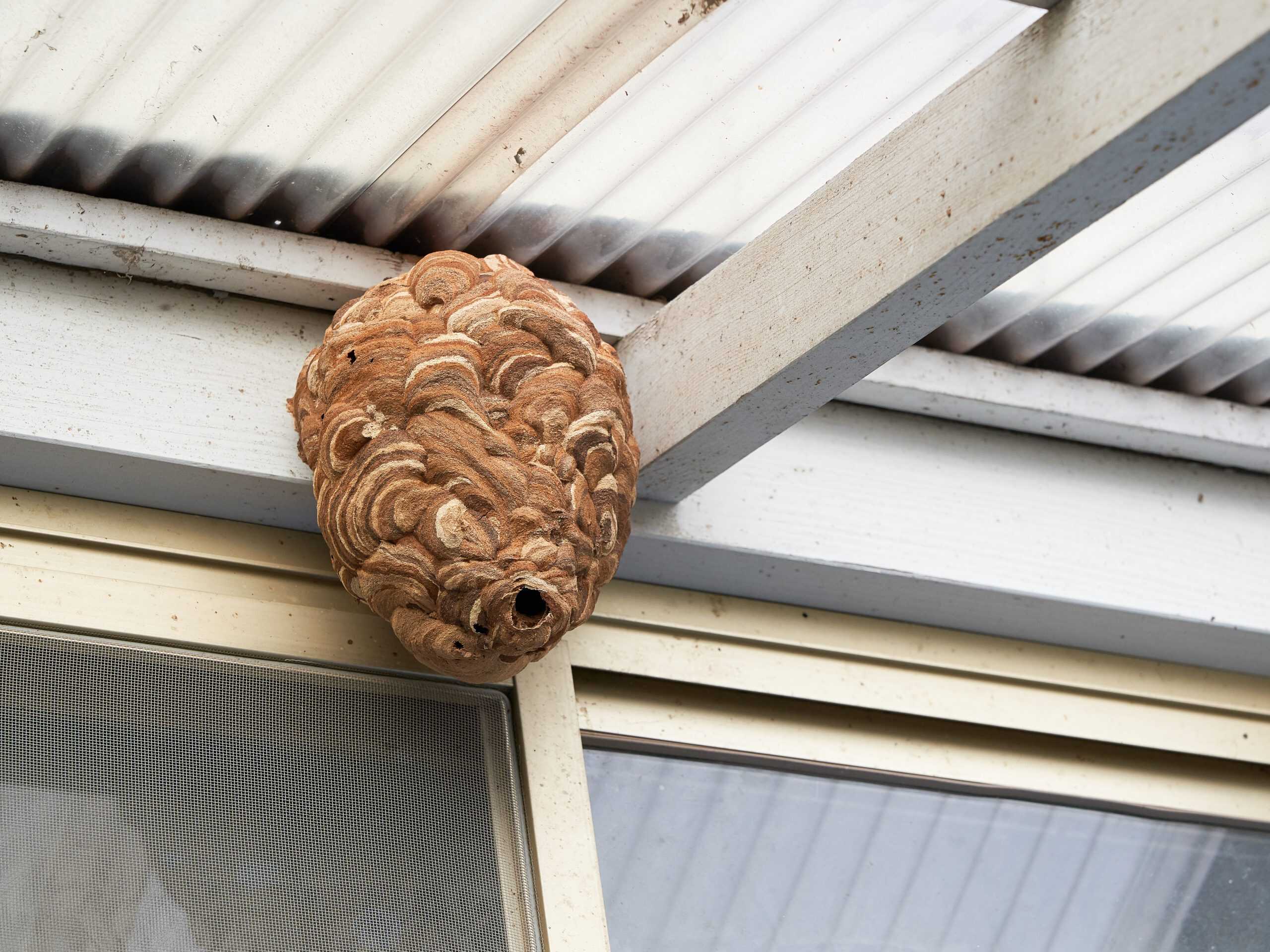

When you call before noon, we can often provide same-day hornet removal service for urgent situations.
Licensed and Insured Professionals
All our technicians are fully licensed, insured, and trained in safe hornet removal techniques and equipment.
Specialized Safety Equipment
We use professional-grade protective gear and tools that homeowners simply don't have access to.
Complete Nest Elimination
We don't just spray and leave - we remove entire nests and eliminate the source completely.
Professional Hornet Extermination Services in Franklin, NJ
Hornet Problems Require Professional Solutions
Hornets aren’t just aggressive – they’re dangerous. Unlike bees, they can sting multiple times without losing their stinger, and their venom causes intense pain and potentially life-threatening allergic reactions.
DIY hornet removal puts you, your family, and pets at serious risk. When threatened, hornets swarm to defend their nest, and a single nest can house up to 700 aggressive hornets ready to attack.
We have the training, equipment, and expertise to eliminate hornet nests safely and completely, protecting your family while restoring peace to your property.
Call us or get a free online quote to help us identify your project needs.

We'll follow up
If you requested an online quote, you can expect a callback within 24-48 hours of your request.

The floor is yours
Connect with an expert and share all project specifics.

Plan your project
Like what you hear? We'll provide next steps and expert guidance.
Hornet Species in Franklin, NJ
Know Your Enemy Before It's Too Late
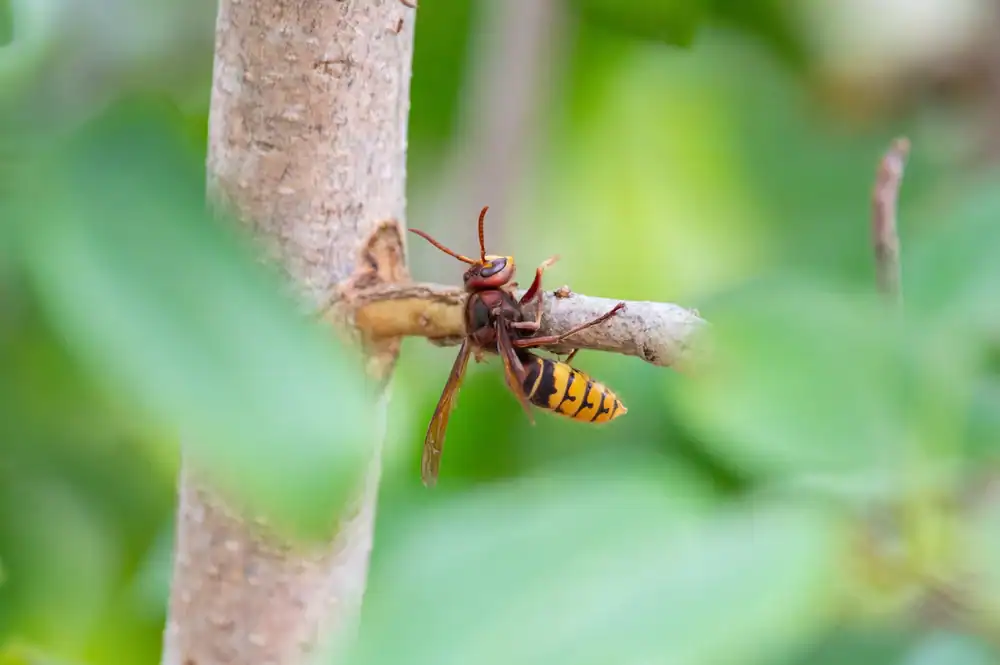
New Jersey homeowners primarily deal with bald-faced hornets and European hornets, both capable of inflicting painful, dangerous stings. Bald-faced hornets build large gray paper nests in trees and under building eaves, while European hornets are unique because they remain active at night.
These aren’t the gentle honeybees that benefit your garden. Hornets are aggressive defenders that will attack in swarms when they perceive threats to their nest. A typical nest houses 100-400 workers during peak season, with the largest nests containing up to 700 hornets.
The key difference? Hornets don’t lose their stinger after attacking, meaning they can sting repeatedly. Their venom contains more acetylcholine than other stinging insects, making their attacks more painful and potentially more dangerous.
Hornet activity peaks during late summer and early fall when colonies reach maximum size and aggression levels. Queens emerge in late spring to establish nests, with colonies rapidly expanding through summer months.
By August and September, nests are at their largest and hornets become fiercely territorial as they prepare for winter. This is when most dangerous encounters occur, but it’s also when professional removal becomes most critical.
We understand these seasonal patterns and adjust removal techniques accordingly. We know that European hornets remain active at night, making them particularly dangerous, and that disturbing a peak-season nest without proper equipment can result in hundreds of angry hornets defending their territory.