Summary:
September arrives, the leaves start turning across Morris County, and somewhere in the walls of your home, something is already looking for a way in. It’s not dramatic — it’s just biology. When temperatures drop, pests move. And the homes that are easiest to get into are the ones that weren’t prepared before it happened.
Fall pest control isn’t about panicking when you spot a mouse. It’s about closing the door before they find it. This page covers what’s actually coming for Morris County homes this season, when to act, and how a few smart decisions in fall can save you a much bigger headache in January.
Pest Prevention Starts Before You See a Single Bug
Most people think about pest control after something goes wrong. A mouse in the kitchen. Stink bugs crawling across the ceiling. That scratching sound at 2 a.m. that you’re trying very hard to ignore. By the time you’re noticing any of that, pests have already been in your home for a while.
The window for effective fall pest prevention is narrow. Once temperatures dip consistently below 55°F, insects like stink bugs, boxelder bugs, and cluster flies begin actively seeking overwintering sites — and your walls, attic, and crawl space are exactly what they’re looking for. Rodents follow the same pattern, moving from wooded areas and fields into structures as outdoor food sources dry up.
Acting in September or early October, before that migration peaks, is the difference between prevention and remediation. One is significantly easier than the other.
Winter Pest Control: What's Actually Getting Into Morris County Homes
Morris County’s landscape is part of what makes it such a great place to live — and part of what makes fall pest pressure so consistent. The wooded terrain around communities like Chester, Mendham, and Long Valley isn’t just scenic. It’s a wildlife corridor. Deer mice, Norway rats, and house mice move through those areas all season, and when the temperature drops, the warm side of your foundation looks like a five-star hotel.
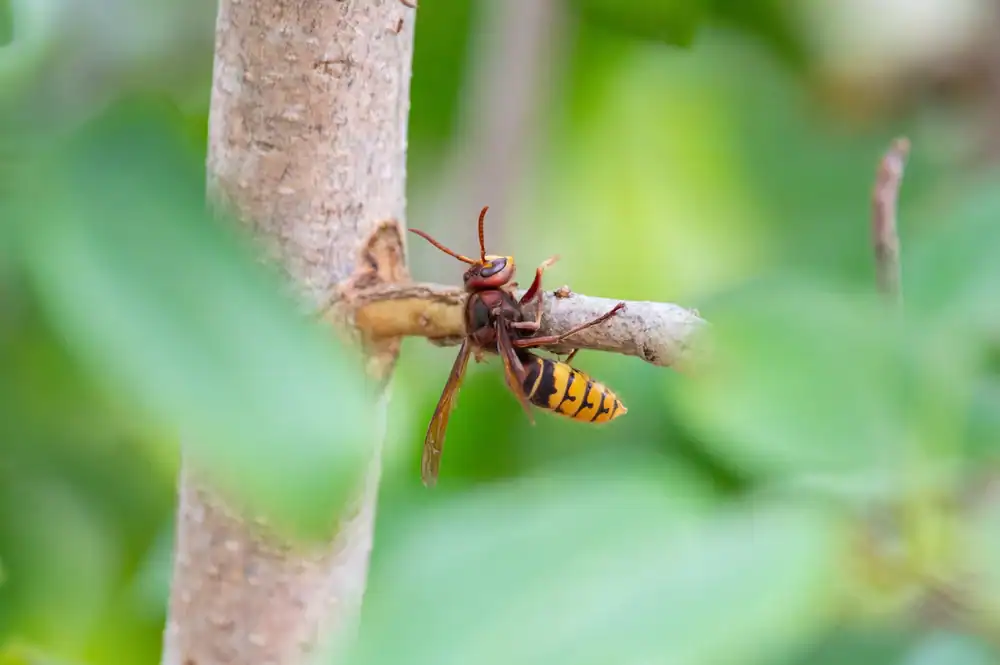
Stink bugs are arguably the most visible fall pest in this region. New Jersey sits in the core invasion zone for the brown marmorated stink bug, and Morris County homeowners know the drill: they start showing up on south-facing walls in September, and if there’s any gap around a window frame, door seal, or utility line, they’ll find it. They don’t cause structural damage, but the entry points they use are the same ones rodents use — so a stink bug problem is often a signal that your home’s exterior needs a closer look.
Cluster flies are less talked about but just as common, especially in the more rural parts of Morris County. They overwinter in wall voids and attics and tend to emerge on warm winter days, which is usually when homeowners discover them. By then, they’ve been living in your walls for months.
Asian lady beetles and boxelder bugs round out the fall invader list. Both aggregate in large numbers, both enter through the same types of gaps, and both are essentially impossible to deal with effectively once they’re inside. Mice can squeeze through a gap as small as a quarter of an inch — which means even a home that looks well-maintained can have dozens of entry points that aren’t obvious until you’re looking for them specifically.
Deer ticks are worth mentioning too. Morris County’s deer population keeps tick pressure elevated well into November in mild years, and fall tick control is something homeowners in wooded neighborhoods near Jockey Hollow or Frelinghuysen Arboretum should factor into their seasonal planning.
Pest Proofing Your Home: Where Pests Get In and What to Do About It
Pest proofing is the part of fall pest control that most people skip — and it’s the part that matters most for long-term results. Treating visible pests without addressing how they’re getting in is like mopping the floor while the faucet is still running. You’ll solve the immediate problem and be back in the same situation in a few weeks.
A proper fall inspection looks at the full exterior of your home: foundation cracks, gaps around utility penetrations, deteriorating caulk around windows and door frames, damaged soffits, open vents, and any place where two different building materials meet. These are the spots that get overlooked during routine maintenance but are exactly where pests enter. Historic homes in Morristown, Dover, and Boonton — where older construction is common — tend to have more of these vulnerabilities than newer builds, but no home is immune.
The interior side of the inspection matters just as much. Attics, crawl spaces, and basements are where overwintering pests establish themselves, and where rodent activity often goes undetected until it’s a full infestation. Signs like droppings, gnaw marks on structural wood or wiring, or nesting material in insulation are all indicators that something has already moved in.
What makes professional exclusion work different from a DIY patch job is the combination of a trained eye and the right materials. A technician who does this regularly knows where to look, what to look for, and how to seal an entry point in a way that holds. Stuffing steel wool into a gap and calling it done might slow a mouse down for a week. A proper exclusion repair closes that entry point for the season.
The goal of pest proofing isn’t to create a perfect barrier — it’s to make your home significantly harder to enter than the one next door. Pests follow the path of least resistance. Remove the easy access, and they move on.
Pest Prevention Through Exterior Property Maintenance
Here’s something most pest control companies won’t tell you: the condition of your home’s exterior has a direct impact on your pest pressure. Clogged gutters, algae-covered siding, and organic debris piled up against your foundation don’t just look bad — they create the exact conditions pests are looking for.
We offer both pest control and exterior cleaning services, which means we see this connection constantly. A home that gets treated for rodents but still has gutters full of wet leaves and decomposing debris is going to keep attracting the same problems. Exterior maintenance and pest control aren’t separate categories. They’re two parts of the same seasonal preparation.
How Clogged Gutters and Dirty Siding Create Pest Problems
Morris County’s fall foliage is beautiful. What it leaves behind in your gutters is less so. Leaves, twigs, and organic debris accumulate fast in October and November, and once that material gets wet and starts to break down, it becomes ideal nesting and harborage material for rodents and insects alike. Mice don’t need much — a pile of damp debris near a roofline is enough to establish a foothold before they find the gap that gets them inside.
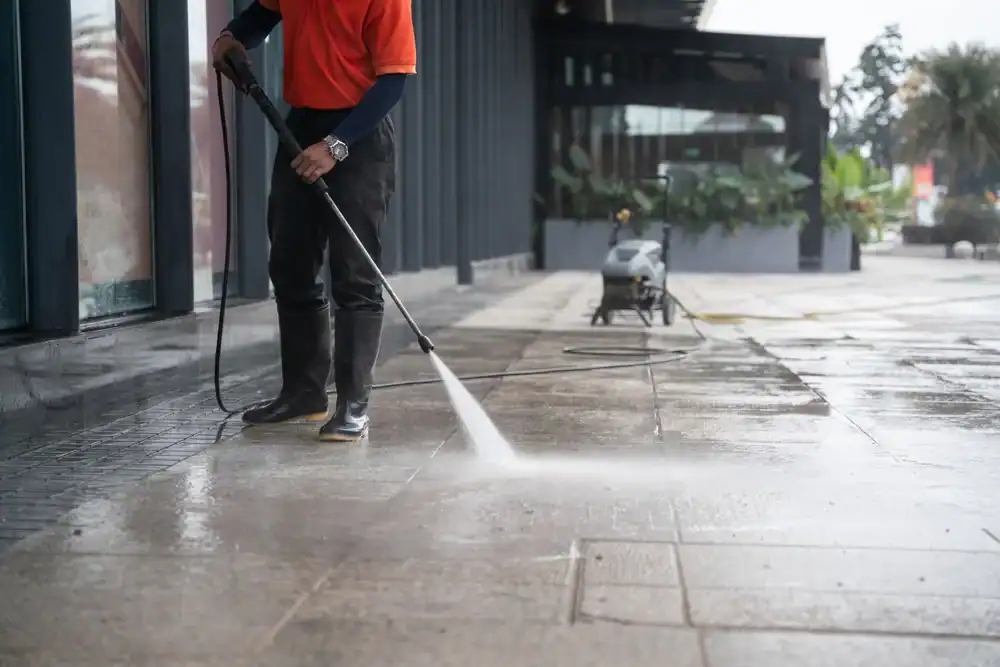
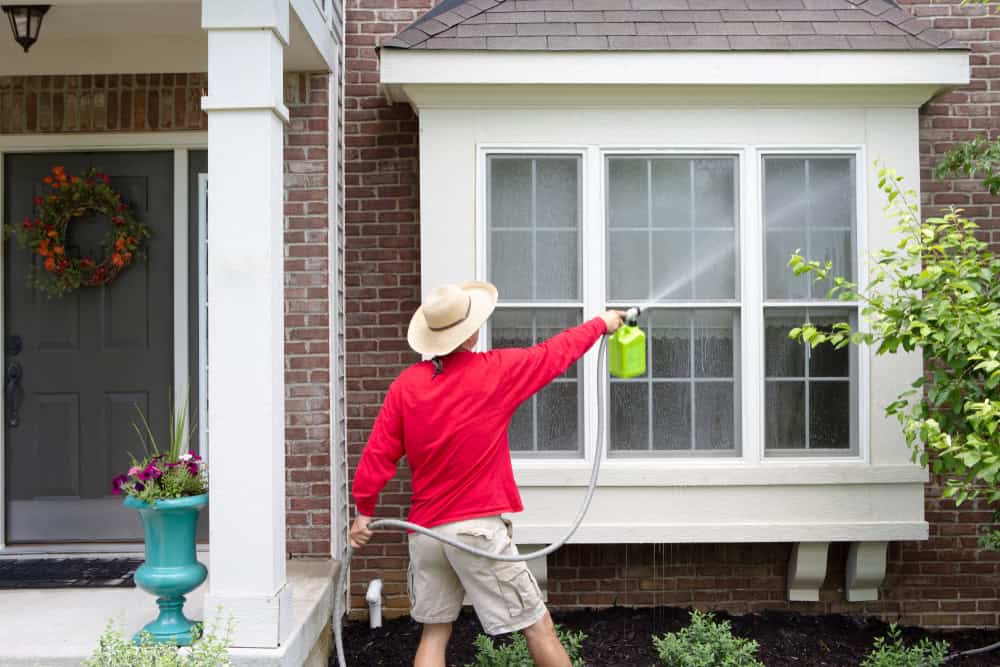
Algae and mildew buildup on exterior siding is a different but related issue. Organic growth on your home’s surface creates harborage conditions for overwintering insects. It also holds moisture against the siding, which accelerates deterioration and creates the kind of soft, compromised material that makes pest entry easier over time. A house that’s been soft-washed before winter is simply a harder target than one that hasn’t.
Deck cleaning matters for the same reason. Debris accumulation under and around decks creates sheltered, humid environments that attract rodents, spiders, and insects. It’s one of the most overlooked pest harborage sites on a residential property, and it’s one of the first places we look during a fall inspection.
The practical upside of handling pest control and exterior cleaning together is that you’re addressing the problem from both directions at once. The treatment handles what’s already there. The cleaning removes the conditions that attracted them in the first place. For homeowners in Parsippany, Denville, Rockaway, and the other suburban communities along the I-287 corridor — where properties sit close together and pest pressure can spread quickly between neighboring homes — that combination makes a real difference.
When to Schedule Fall Pest Control and Exterior Cleaning in Morris County
Timing is the variable most homeowners get wrong. The instinct is to wait until you see a problem — but fall pest control is most effective when it’s done before pests have established themselves inside your home. September is the optimal window. Early October still works well. By mid-to-late October, you’re increasingly in remediation territory rather than prevention territory, and the work becomes more involved.
The same timing logic applies to exterior cleaning. Getting gutters cleaned and siding washed before the bulk of leaf fall — or at minimum, before the first hard freeze — means you’re removing harborage conditions while there’s still time for them to matter. A gutter cleaning in December is better than nothing, but a gutter cleaning in October removes the problem before it becomes a pest attractant for the entire fall season.
For homeowners who want to handle everything in one visit, we offer pest treatment alongside house washing, gutter cleaning, deck cleaning, and roof cleaning. It’s a genuinely practical option for anyone who’s been meaning to get the exterior of their home sorted before winter and wants to handle the pest side at the same time. HOA communities and property managers across Morris County have found this approach particularly useful — one scheduled visit, one point of contact, and the property is prepared for winter on both fronts.
If you call before noon, we can typically schedule same-day service. That matters when you’ve just found mouse droppings in the pantry and you’re not interested in waiting three days for an appointment. Pest problems have a way of feeling urgent — and we think your response time should match that.
Fall Pest Control in Morris County, NJ: What to Do Next
The short version: act before you see a problem, not after. September and early October are when fall pest control actually works as prevention. Once pests are established inside your walls, you’re dealing with a harder, more expensive situation than you would have faced a month earlier.
If your home is in Morris County — whether you’re in a wooded neighborhood in Chester, a historic property in Morristown, a lake community near Hopatcong, or a townhome community in Parsippany — the seasonal pest pressure is real and predictable. That also means it’s manageable, as long as the timing is right.
We at Prestige Pest Unit & House Wash handle both sides of fall preparation: pest treatment and exterior cleaning, under one roof, with same-day availability and a satisfaction guarantee that means we keep working until the problem is solved. Reach out before noon and we can usually get to you the same day.