Summary:
You searched “fumigation cost” because you want a real number — not a form to fill out, not a “call for a free quote,” and definitely not a vague range that tells you nothing. That’s fair. Pest problems are stressful enough without feeling like you’re walking into a pricing ambush.
The truth is, most pest problems don’t require full fumigation. And the ones that do have a cost range that depends on a few specific factors you can actually understand. By the end of this page, you’ll know what drives pest control pricing, what’s worth paying for, and what questions to ask before anyone shows up at your door.
What Does Fumigation Actually Cost?
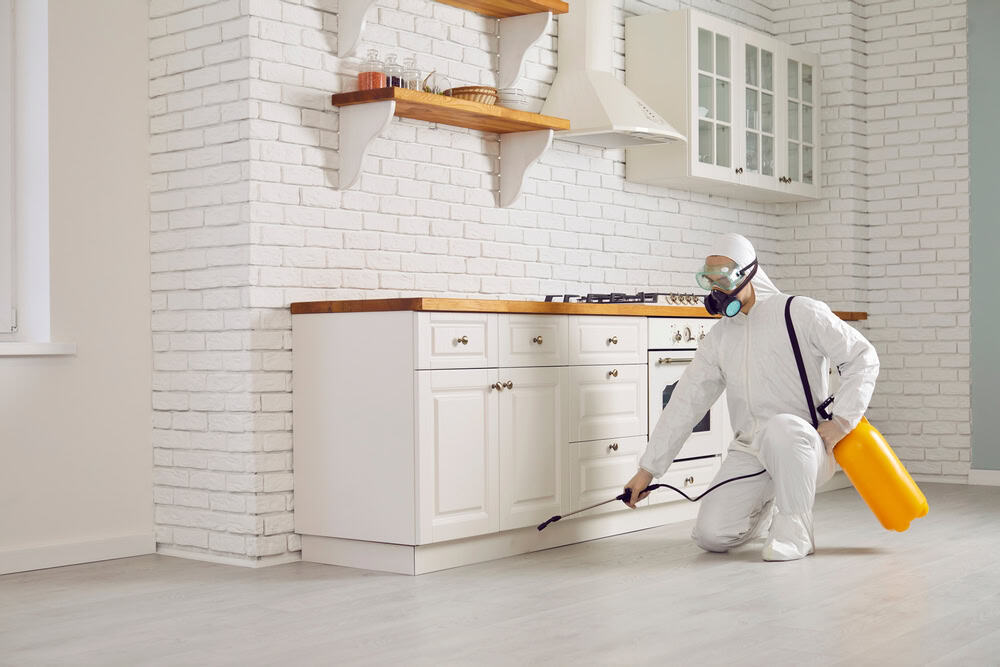
Full home fumigation — the kind where your house gets tented and you vacate for a couple of nights — typically runs between $2,000 and $8,000 for a standard single-family home. On a per-square-foot basis, that’s roughly $1 to $4. A 2,000-square-foot home lands somewhere in the $3,000 to $8,000 range depending on the pest, the severity, and the provider.
What most cost guides leave out is everything around the fumigation itself. You’ll need to be out of the house for at least two nights, which adds $200 to $400 in lodging if you’re not staying with family. Food, medications, and plants need to be removed or sealed. Some homeowners bring in a cleaning crew afterward. Add those up, and the real out-of-pocket cost is higher than the base quote.
The bigger question worth asking first: do you actually need fumigation? For most infestations — cockroaches, rodents, ants, even early-stage bed bugs — targeted treatments are far more effective and a fraction of the cost. Full fumigation is typically reserved for drywood termites, severe bed bug infestations, or cases where previous treatments have failed.
Cockroach Exterminator Cost: What You're Actually Paying For
Cockroach treatment is one of the most common calls we get, and it’s also one of the most misunderstood when it comes to pricing. A single professional treatment typically runs $100 to $400. For a more severe infestation — or German cockroaches, which are notoriously stubborn — expect $300 to $800 or more depending on the size of the space and how far the problem has spread.
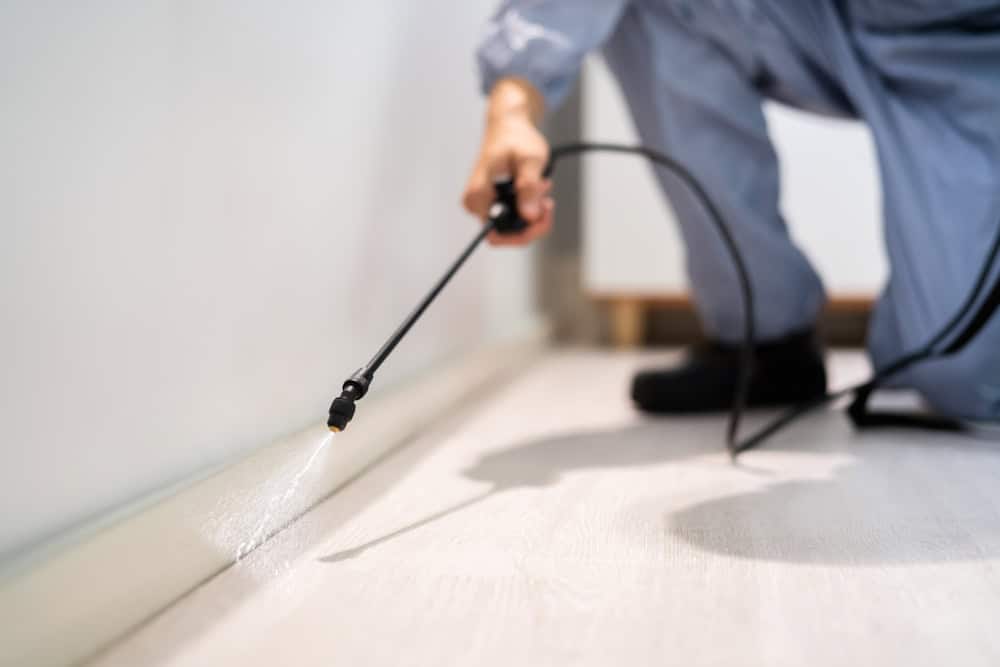
Here’s why that range exists: roaches don’t just live in the open. They nest deep inside wall voids, under appliances, inside cabinet hinges, and in spaces a fogger bomb will never reach. The price reflects the time, product quality, and application method required to actually get into those areas — not just treat the surfaces you can see.
Store-bought roach sprays and foggers work on contact, which sounds useful until you realize most of a roach population is hidden somewhere you can’t spray. Worse, many cockroach species have developed resistance to common over-the-counter products. Our professional treatments use a combination of baits, growth regulators, and targeted applications that disrupt the entire population cycle — not just the ones unlucky enough to be out in the open when you spray.
The roach exterminator cost also reflects what happens after the first visit. We follow up, assess whether the treatment is working, and retreat if needed at no additional charge. That guarantee is part of what you’re paying for, and it’s worth more than the difference between a $150 quote and a $300 one.
One more thing: if you’ve already tried DIY and it hasn’t worked, that’s not unusual. It usually means the infestation is more established than it looks, and the longer you wait, the more treatments it takes to resolve. Calling sooner is almost always cheaper than calling later.
Average Exterminator Cost by Pest Type in New Jersey
Fumigation is the most expensive option on the menu, but it’s far from the only one. Understanding the average exterminator cost for different pest types helps you set realistic expectations before anyone gives you a quote — and helps you recognize when a quote is fair versus when something feels off.
For general pest control, a one-time visit typically runs $100 to $300. If you’re on a quarterly plan, most homeowners in Morris County pay between $400 and $1,200 per year, depending on the scope of coverage. That breaks down to roughly $100 to $300 per visit, which is significantly less per treatment than calling reactively every time something shows up.
Bed bug treatment ranges more widely — anywhere from $300 for a targeted spot treatment to $5,000 for whole-home heat treatment, which is the most thorough method available. Heat treatment eliminates all life stages including eggs, which chemical treatments alone often can’t guarantee. The cost reflects the equipment, labor, and preparation involved.
Rodent control typically starts around $150 to $500 for an initial treatment that includes inspection, sealing entry points, and setting traps or bait stations. Ongoing prevention — which matters a lot in Morris County, where older homes give mice plenty of ways in — runs $300 to $600 per year. Termite treatment without full fumigation, using liquid barriers or spot treatments, generally falls between $500 and $2,500 depending on the extent of activity.
What all of these have in common: the cost goes up the longer the problem goes untreated. A small rodent issue caught in October is a very different job than a full infestation discovered in January after a winter of unchecked activity. Early treatment isn’t just better for your home — it’s almost always cheaper.
Hidden Pest Control Costs Morris County Homeowners Should Watch For
The quote we give you over the phone isn’t always the number you see on the final invoice. Some companies lead with a low initial price and add charges once they’re in the door — for additional products, extended service areas, follow-up visits, or contract renewals you didn’t fully understand when you signed.
Before any work starts, you should have a written, itemized explanation of what’s included, what’s not, and what happens if the problem comes back. A company that can’t or won’t give you that before showing up isn’t worth your time. Transparent pricing isn’t a bonus feature — it’s a baseline expectation.
Is DIY Pest Control Worth It, or Does It Cost More in the Long Run?
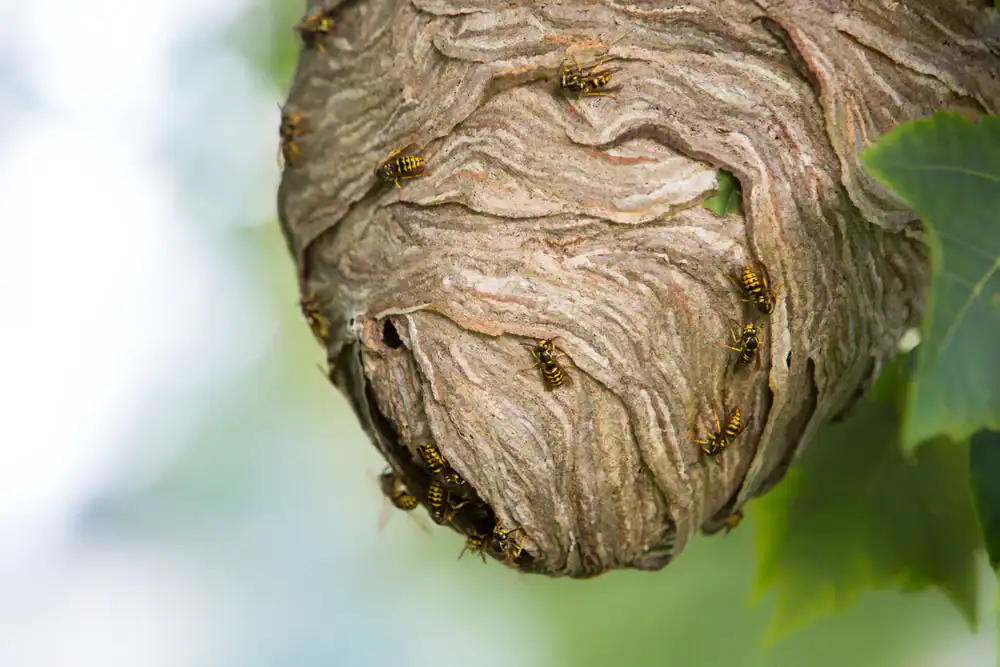
The honest answer is: it depends on the pest and how early you catch it. For a single wasp nest or a handful of ants near a doorframe, a targeted OTC product can work fine. But for anything that lives inside your walls, breeds rapidly, or has already spread through multiple areas of your home, DIY is usually a temporary fix that delays a professional call — and makes that professional call more expensive.
Take cockroaches as an example. A fogger bomb from a hardware store costs $10 to $50. It disperses a chemical cloud that kills insects on contact but does nothing to the population hiding in your walls, under your refrigerator motor, or inside your cabinet hinges. Many roach species scatter deeper into the structure when exposed to foggers, which can actually spread the infestation further before things visibly improve.
Bed bugs are even less forgiving of DIY attempts. The eggs are nearly impossible to eliminate without professional-grade heat or chemical treatment, and a partially treated infestation often rebounds within weeks. Homeowners who spend $200 to $400 on OTC products before calling a professional typically end up paying more total than if they’d called first.
The math changes when you factor in property damage. Termites cause an estimated $5 billion in damage annually across the U.S., and most of that damage happens before homeowners realize there’s a problem. Standard homeowners insurance doesn’t cover pest damage — it’s considered a preventable maintenance issue. A $500 termite inspection and spot treatment caught early is a very different financial situation than a $15,000 structural repair bill caught late.
Professional treatment isn’t always the right first move for every pest. But for anything that’s been present for more than a few weeks, anything that involves your structure, or anything you’ve already tried to treat without success — the cost of calling a professional is almost always lower than the cost of waiting.
What Morris County Homeowners Are Actually Dealing With — And What It Costs to Fix It
Morris County has a specific set of pest pressures that homeowners in other parts of New Jersey don’t always face at the same intensity. The wooded suburban character of the county — with many homes backing up to forest edges, nature preserves, or the Great Swamp National Wildlife Refuge — creates year-round pressure from ticks, mosquitoes, stinging insects, and rodents that move in from the tree line.
Deer ticks are endemic to Morris County, and Lyme disease transmission rates here are among the higher ones in New Jersey. That makes professional tick control less of a convenience service and more of a health decision for families with kids or pets who spend time outside. A seasonal tick treatment program typically runs $350 to $700 for the year — a reasonable investment when you consider what Lyme disease treatment costs in time, medical bills, and quality of life.
The housing stock in Morris County also plays a role. Morristown, Boonton, Dover, and surrounding towns have a significant number of pre-1970s homes with older foundations, more wood-to-soil contact, and structural gaps that newer construction doesn’t have. These homes are more vulnerable to subterranean termites and rodent intrusion — particularly as temperatures drop in the fall and mice start looking for warm entry points.
For homeowners who’ve recently bought in the area — especially those who purchased older homes or properties that sat on the market for a while — pest inspections are worth doing before a problem announces itself. First-time homeowners especially can find themselves inheriting an infestation that the previous owners either didn’t disclose or didn’t know about. Getting ahead of it early is almost always the better financial decision.
One thing that sets Northern New Jersey apart from more urban markets: the pest calendar doesn’t stop. Ticks and mosquitoes dominate spring through fall. Rodents move indoors starting in September and don’t leave until spring. Cave crickets, stink bugs, and spiders are common in basements year-round. A quarterly or annual service plan isn’t upselling — for a Morris County home with any wooded exposure, it’s genuinely practical.
What to Do Before You Call a Pest Control Company in Morris County
You don’t need to have everything figured out before you call. But knowing roughly what pest control costs — and what actually drives that cost — means you won’t be caught off guard, and you’ll know what questions to ask when someone gives you a quote.
The short version: most pest problems don’t require fumigation. Most infestations caught reasonably early can be handled with targeted treatment at a fraction of the cost. And the companies worth hiring are the ones who tell you that upfront instead of jumping straight to the most expensive option.
If you’re dealing with something in your home right now — or you just want to know what you’re working with before it becomes a bigger problem — we’re available same-day when you call before noon. Transparent pricing, a satisfaction guarantee, and a team that actually knows what Morris County pest pressure looks like. That’s a reasonable place to start.