Summary:
You bought the traps. Maybe some spray. You sealed what you could find and waited. And for a week or two, things seemed fine. Then the scratching started again, or you found more droppings, or you spotted something dart across the floor.
This is the pattern most Morris County homeowners know well. DIY pest control isn’t useless — but it has real limits, and understanding those limits can save you weeks of frustration and money spent on products that only treat the surface. Here’s an honest look at what we do differently with professional pest removal, and when it’s worth making the call.
What Professional Pest Removal Actually Involves
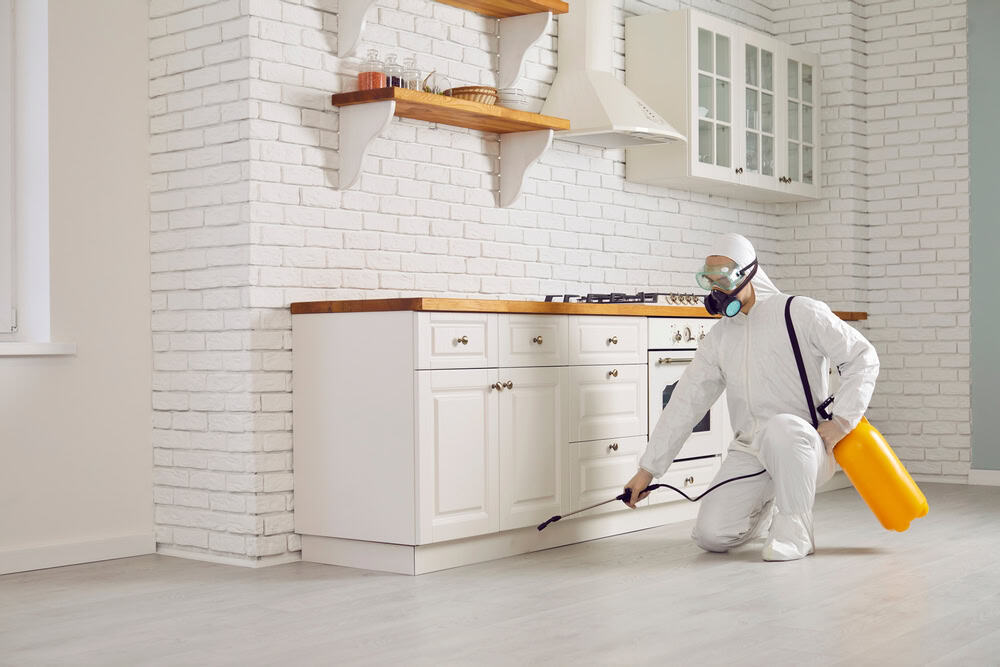
Professional pest removal isn’t just a stronger version of what you’d buy at the hardware store. It starts with an inspection — a real one, not a quick walkthrough. Our technicians identify the pest species, locate where they’re nesting, map the entry points, and assess what environmental conditions are making your property attractive in the first place.
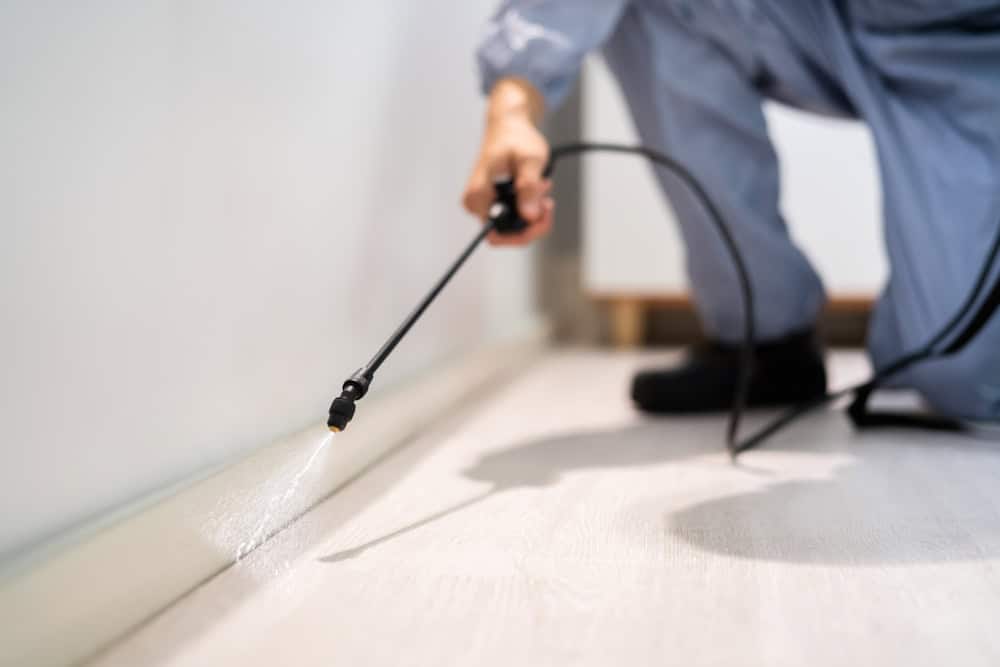
From there, treatment is targeted. The products we use are more potent and applied with equipment that delivers them deeper into cracks, wall voids, and harborage areas where consumer sprays never reach. The residual effectiveness lasts longer, too. And unlike a trap you set and hope for the best, our approach is built around how the specific pest actually behaves.
Rat Removal: Why DIY Traps Usually Fall Short
Rats are smarter than most people give them credit for. They’re naturally suspicious of new objects in their environment — which is exactly why a snap trap you place along the baseboard often sits untouched for days. Rats will investigate, avoid, and eventually work around anything that doesn’t feel like part of their normal routine. That’s not a flaw in the trap. It’s just rat behavior.
Our approach to rat removal accounts for this. Placement matters enormously — along active travel paths, near burrow entrances, in areas with fresh grease marks or droppings. Bait selection matters. Timing matters. And perhaps most importantly, exclusion matters. Killing the rats currently inside your home without sealing the entry points they’re using is a temporary fix at best. New rats will move in within days, especially in areas like Rockaway Township or Long Hill, where wooded lots and older homes create constant pressure from the surrounding landscape.
Morris County’s older housing stock is part of the problem. Homes built in the 1950s through 1980s — common throughout Boonton, Dover, and Morristown — often have aging foundations, utility penetrations that have shifted over decades, and crawlspaces that offer exactly the kind of sheltered, dark harborage rats look for. We can find those gaps. Most homeowners, reasonably, cannot.
By the time you see a rat during the day, there are almost certainly more you haven’t seen. Rats are nocturnal and cautious. Daytime sightings typically mean the population has grown large enough that competition for food and space is pushing them out into the open. That’s a sign the infestation is already well established.
Mice Removal: The Gap Problem Most Homeowners Underestimate
Mice are a different challenge than rats, but no less frustrating. The biology is what makes DIY mice removal so difficult: a mouse can squeeze through a gap roughly the size of a dime. That’s about 6 to 7 millimeters. It’s smaller than the eraser on a pencil. And it means that even a thorough, well-intentioned DIY exclusion effort — caulking around pipes, stuffing steel wool in visible gaps — will almost certainly miss something.
The math gets worse quickly. A single female mouse can produce five to ten litters per year, with five or six offspring per litter. A “small” mouse problem in October can become a significant infestation by December if it isn’t addressed completely. In Northern New Jersey’s cold winters, mice aren’t looking for food and leaving — they’re looking for warmth and a place to stay. Your walls, attic, and crawlspace are exactly what they need.
This is particularly relevant for the HOA townhome communities spread across Parsippany, Denville, and Randolph. In shared-wall buildings, a mouse problem in one unit doesn’t stay in one unit. They move through wall voids, shared utility chases, and gaps around plumbing connections into neighboring units. A single DIY treatment in one home doesn’t solve a building-wide problem — it just redirects it.
Our approach to mice removal addresses the full picture: eliminating the current population, identifying every viable entry point, and sealing them with materials that mice can’t chew through or push past. It’s not a more expensive version of what you’d do yourself. It’s a fundamentally different approach — one designed to produce a lasting result rather than a few quiet weeks before the problem returns.
Rodent Removal in Morris County: What Makes This Area Different
Morris County isn’t a generic suburban market when it comes to pest pressure. The northern and western parts of the county sit within or adjacent to the New Jersey Highlands — forested, hilly terrain that serves as a year-round wildlife corridor for deer mice, Norway rats, raccoons, and squirrels. These animals don’t stop at the tree line. They move into neighborhoods, especially as temperatures drop in fall.
The result is that rodent removal in Morris County has a seasonal rhythm that’s worth understanding. September through November is when the pressure peaks. Mice and rats begin actively seeking warmth and food indoors, and homeowners who wait until they see clear evidence inside their home have already lost several weeks of prevention opportunity.
Why the DIY vs. Professional Question Matters More in Fall
The fall rodent migration into Morris County homes is predictable. It happens every year, in the same neighborhoods, on roughly the same timeline. What varies is how prepared a given home is — and how quickly a homeowner responds when they notice the first signs.
DIY products are most likely to fail during this period precisely because the infestation pressure is highest. You might catch a few mice with traps in October, but if the entry points aren’t sealed and the harborage conditions inside the home aren’t addressed, you’re catching the front edge of a much larger wave. The population replenishes faster than traps can keep up with.
Our professional treatment during fall does something DIY can’t: it breaks the cycle. Our licensed technicians can identify where mice are entering, treat the active population, and seal the structural gaps before the bulk of the seasonal migration occurs. In towns like Mendham, Chester, and Harding Township — where wooded lots are the norm and older homes sit at the edge of the Highlands — this timing matters more than almost anywhere else in Morris County.
There’s also the tick question, which is related but often overlooked. Morris County is one of the highest-risk counties in New Jersey for Lyme disease. Deer mice are a primary host for the black-legged tick that carries it. A rodent problem on your property isn’t just a structural issue — it has real public health implications. That’s context that makes the case for professional rodent removal a little more concrete.
Does Exterior Cleaning Actually Help With Pest Prevention?
This is a question most pest control companies never have to answer, because they only do pest control. We do both — and the connection between exterior cleaning and pest activity is more direct than most homeowners realize.
Clogged gutters hold standing water. Standing water breeds mosquitoes. Algae and organic buildup on siding creates moisture-retaining conditions that attract ants, cockroaches, and other insects. Debris piled against the foundation — leaves, wood, dirt — gives rodents and insects exactly the kind of sheltered harborage they look for before moving inside.
Pest removal treats the problem you have right now. Exterior cleaning addresses the conditions that invited it. A thorough house wash, gutter cleaning, or roof cleaning doesn’t just make your home look better — it removes the environmental cues that make your property attractive to pests in the first place. For Morris County homeowners dealing with recurring pest problems despite repeated treatments, this is often the missing piece.
If your gutters are clean and your siding is in good shape, there’s nothing to address. But if you’ve had a professional out twice in the past year and the same pests keep returning, it’s worth asking whether the exterior conditions around your home are part of the reason. We’ll tell you honestly either way. That’s the kind of straight answer you should expect from anyone you let onto your property.
When to Stop Troubleshooting and Call a Professional
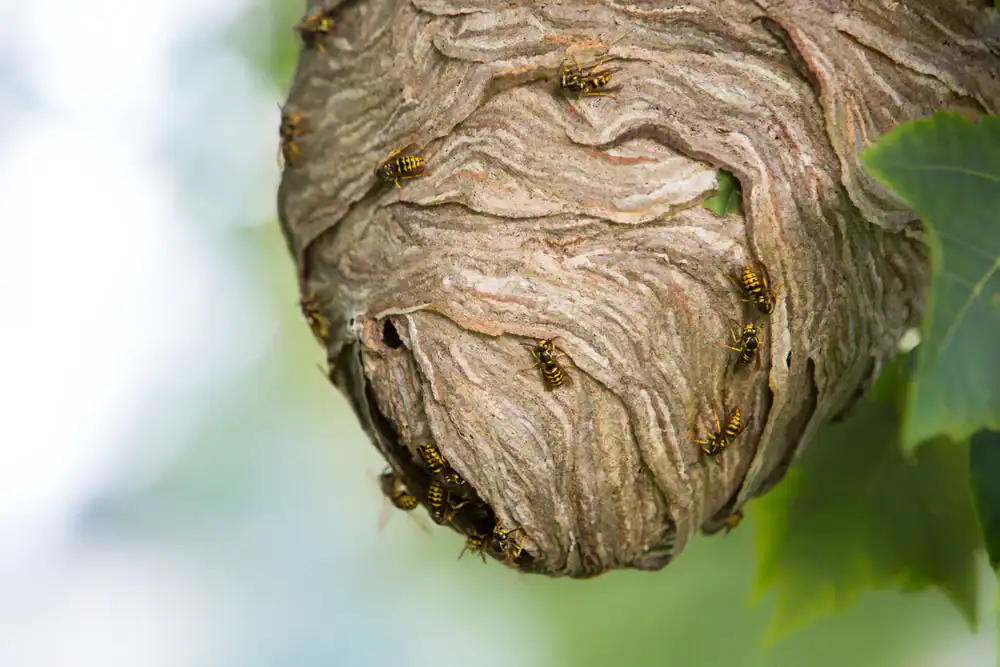
DIY pest control has its place. For a single wasp nest or a minor ant trail along a windowsill, a hardware store solution might be all you need. But for rodents — rats, mice, or anything that’s found its way inside your walls — professional pest removal consistently outperforms DIY, not because it’s more expensive, but because it’s more complete.
If you’ve already tried the traps and the sprays and you’re still dealing with the same problem, that’s your answer. The issue isn’t effort — it’s that consumer products aren’t designed to solve the root cause.
For Morris County homeowners dealing with rodent pressure, recurring pest problems, or a home that keeps attracting the same issues season after season, we offer same-day appointments, a 100% satisfaction guarantee, and a genuinely different approach — one that looks at your property as a whole, not just the pests that happen to be visible right now. Reach out and we’ll tell you exactly what we’re seeing and what it will take to fix it.