Summary:
What Makes February the Right Time for Preventative Pest Control
Pests don’t disappear in winter. They adapt. While you’re inside staying warm, rodents are doing the same thing—finding gaps in your foundation, squeezing through vents, nesting in your attic. Insects go dormant, but they’re not gone. They’re waiting.
February sits in that narrow window before everything wakes up. Termites start swarming as early as late March in northern New Jersey. Ants emerge when soil temperatures rise. Ticks become active the moment it’s warm enough. If you wait until you see them, you’re already behind. February treatments target pests before they’re mobile, before colonies expand, before populations explode.
How Sussex County's Climate Drives Pest Activity Year-Round
Sussex County’s humid continental climate creates perfect conditions for pests. Cold, snowy winters push rodents indoors. Hot, humid summers bring mosquitoes, ticks, and carpenter ants. The wooded areas, rivers like the Wallkill, and elevation changes mean you’re dealing with pest pressure from multiple directions.
Winter doesn’t kill pests here—it just relocates them. Mice follow patterns based on cold and drought. When temperatures drop, they’re not hibernating. They’re moving into your basement, your crawl spaces, anywhere with heat and food. Squirrels and raccoons target weak rooflines because heat escapes upward. By February, many of these pests have already settled in, but they haven’t started breeding yet.
That’s your advantage. Treating now catches them before reproduction kicks in. A single female mouse can produce up to five litters per year, with each litter containing 6-12 pups that reach maturity in three months. Stop her in February, and you’ve prevented dozens of mice by summer.
Spring brings its own problems. Early spring sees ticks and ants emerging from dormancy. Termite swarm season runs from mid-March through mid-June in northern New Jersey. Carpenter ants, odorous house ants, and pavement ants all become active as temperatures rise, scouting for food inside kitchens and pantries. Mosquitoes thrive in standing water, and with Sussex County’s waterways and spring rains, breeding sites multiply fast.
Summer is peak season for mosquitoes, wasps, and crawling insects. These pests don’t just annoy—they carry diseases. Mosquitoes can transmit West Nile virus and Zika. Ticks carry Lyme disease and Rocky Mountain spotted fever. Even common ants can spread salmonella through your kitchen.
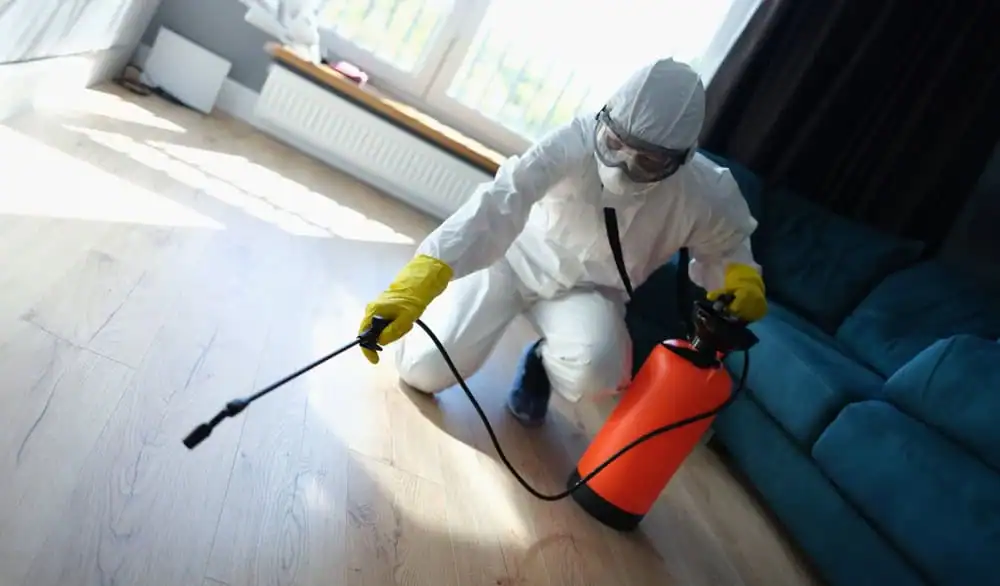
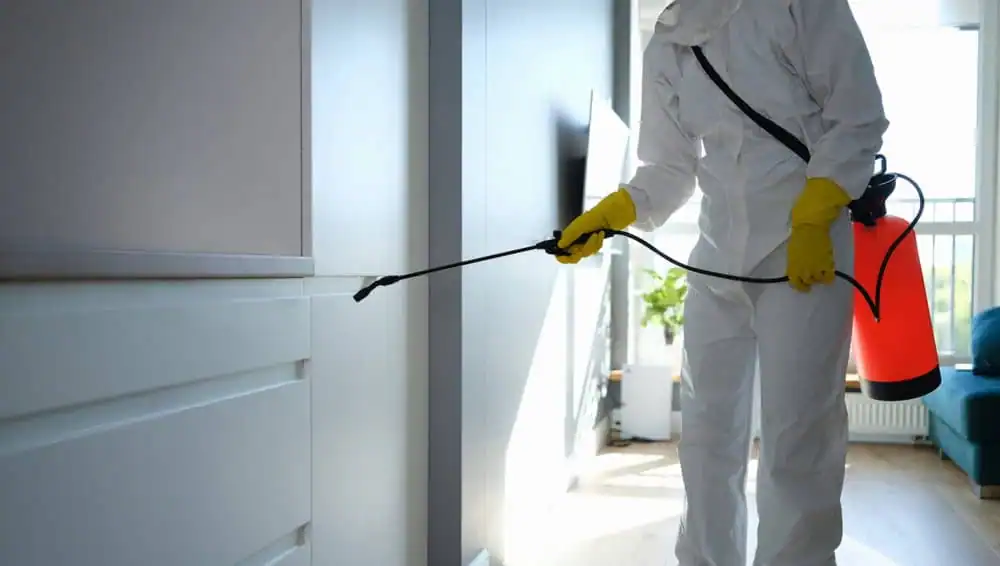
By scheduling pest control in February, you’re setting up a barrier before any of this starts. You’re not reacting to problems. You’re preventing them.
The Financial Case for February Pest Control Services
Preventative pest control costs less than emergency treatments. A lot less. Quarterly preventive services run around $125 per visit. Treating an active infestation? That doubles at minimum, plus you need follow-up visits to make sure it’s gone.
Then there’s the damage. Termites cause more property damage annually than floods and tornadoes combined. In Sussex County’s climate, where moisture levels fluctuate dramatically between seasons, termite activity accelerates. They eat wood silently, often for years, before you notice. By then, repairs run into thousands of dollars—and most homeowners insurance doesn’t cover it.
Rodents create fire hazards by chewing through electrical wiring. They damage insulation, ductwork, and pipes. Carpenter ants and carpenter bees bore into wooden structures, weakening support beams and creating entry points for moisture and other pests. Every month you wait, the damage compounds.
February treatments stop this before it starts. You’re paying for prevention, not reconstruction. You’re avoiding emergency service fees, multiple follow-up visits, and the stress of discovering an infestation when it’s already severe.
There’s also the property value angle. Pest infestations can significantly decrease your home’s value. If you decide to sell, a termite inspection report showing active or past infestation becomes a major obstacle. Buyers walk away or demand price reductions that far exceed what preventative treatment would have cost.
Scheduling in February means you’re protecting your investment before peak season hits. You’re not waiting for spring demand to drive up prices or dealing with longer wait times when everyone else realizes they have a problem.
What February Pest Control Actually Targets in Sussex County, NJ
February pest control isn’t about spraying randomly and hoping for the best. It’s strategic. In Sussex County, the most common pests are mice, squirrels, and carpenter ants, with mosquitoes and ticks showing up seasonally. Each requires a different approach, and February is when you can address multiple threats before they become active.
Rodents are the immediate concern. They’re already inside or trying to get there. Treatments focus on sealing entry points, eliminating current populations, and preventing new arrivals as temperatures fluctuate. Rodent control isn’t a one-time fix—it requires monitoring and adjustment—but starting in February gives you a head start before spring breeding begins.
Stopping Ants and Termites Before Spring Swarming Season
Ants and termites are the reason February matters so much. Both become dramatically more active in spring, but they’re preparing now. Carpenter ants overwinter in wall voids and insulation. As temperatures warm, scouts emerge looking for food and water. Once they find it, they leave pheromone trails for the colony to follow. That’s when you see the trails across your counters.
Termites are worse. Swarm season in northern New Jersey starts as early as late March and runs through mid-June. Swarming termites are winged males and females leaving established colonies to start new ones. If you see swarmers inside your home, it means there’s already a mature colony nearby—possibly in your walls or foundation.
Eastern subterranean termites are the only species responsible for structural damage in New Jersey. They build mud tubes from soil to wood, often hidden behind walls or in crawl spaces. By the time you notice damage, they’ve been feeding for months or years. Termites cause over $5 billion in structural damage nationwide every year, and most of that isn’t covered by insurance.
February treatments target termites before swarm season. Soil treatments create barriers that termites can’t cross. Bait systems eliminate colonies before they mature enough to swarm. The key is timing—treating after swarmers emerge means you’re dealing with multiple colonies instead of preventing them.
Carpenter ants don’t eat wood like termites, but they tunnel through it to build nests. Over time, this weakens structural integrity. They’re attracted to moisture, so homes with leaks, poor drainage, or wood-to-soil contact are prime targets. February is when you can treat nesting sites before workers emerge in spring.
Both ants and termites respond better to early intervention. Once colonies are established and active, elimination takes longer and costs more. February gives you the window to stop them before they’re mobile.
Preparing for Tick and Mosquito Season Before It Starts
Ticks and mosquitoes aren’t active in February, but that doesn’t mean you should ignore them. Both require advance preparation if you want to actually control them once warm weather hits.
Ticks become active in early spring, as soon as temperatures rise. In Sussex County, they’re very prevalent seasonally, and they carry serious diseases—Lyme disease, Rocky Mountain spotted fever, and others. Ticks don’t just live in wooded areas. They’re in tall grass, leaf litter, and anywhere deer or rodents travel. If you have a yard, you have tick habitat.
February is when you prepare your property. This means identifying high-risk areas, clearing leaf litter and brush, and planning treatment zones for spring. Tick control requires multiple applications during their active season, typically starting in March or April. Setting up a plan in February means you’re not scrambling when tick season arrives.
Mosquitoes are similar. They breed in standing water, and Sussex County’s rivers, creeks, and summer humidity create ideal conditions. A single mosquito can lay hundreds of eggs, and those eggs hatch in as little as a week when conditions are right. By summer, populations explode.
February preparation involves identifying breeding sites—gutters, bird baths, low spots in your yard where water collects. You can’t treat mosquitoes effectively in February because they’re not active yet, but you can eliminate the conditions that let them thrive later. When spring arrives, you’re ready to implement treatments that actually work instead of reacting to swarms.
Both ticks and mosquitoes require ongoing management, not one-time fixes. But starting the conversation and planning in February means you’re ahead of the curve. You’re not calling for help in June when everyone else is, and you’re not spending the summer hiding indoors because your yard is unbearable.
The reality is that pest control in Sussex County isn’t seasonal—it’s year-round. Different pests peak at different times, but there’s never a month when nothing’s happening. February just happens to be the month when you can get ahead of the biggest threats before they become expensive problems.
Schedule February Pest Control Before Spring Arrives in Sussex County
February pest control isn’t about reacting to what you see. It’s about stopping what’s coming. Ants, termites, rodents, ticks, mosquitoes—they’re all on a schedule, and that schedule starts soon. By the time you notice them, they’ve already established themselves, and getting rid of them costs more in time, money, and stress.
Scheduling now gives you the advantage. You’re treating before colonies expand, before breeding season, before swarms. You’re protecting your home’s structure, your family’s health, and your property value. And you’re doing it when it’s most cost-effective.
If you’re in Sussex County and you’re tired of dealing with the same pest problems every year, this is how you break the cycle. We understand the local pest pressures, the climate challenges, and the timing that makes prevention actually work. Same-day appointments are available when you schedule before noon, and every service is backed by licensed, insured professionals who know this area.
Don’t wait until you see the problem. Schedule your February pest control service now, before spring hits and the rush begins.