Summary:
Why Sussex County NJ Needs Year-Round Pest Control
Here’s what most people get wrong about pest control—they think it’s a summer problem. In Sussex County, that couldn’t be further from the truth.
Our humid, pest-friendly climate creates perfect conditions for different invaders throughout every season. Spring brings termites and ants. Summer peaks with mosquitoes, ticks, and wasps. Fall means stink bugs and occasional invaders like millipedes. Winter? That’s when rodents decide your warm home looks pretty appealing.
Each season requires different strategies because pests follow predictable patterns based on weather, food availability, and shelter needs. Understanding this cycle is the first step in protecting your property effectively.
Common Pests You'll Face in Sussex County Throughout the Year
Let’s talk about your actual enemies, not some generic pest list that applies everywhere. Sussex County has its own pest personality, and knowing what you’re up against makes all the difference.
Mice and rats top the list, especially during colder months when they’re looking for warmth and food sources. You’ll find them in basements, attics, and anywhere they can squeeze through gaps smaller than a dime. Squirrels are equally problematic, often causing damage to insulation and wiring.
Carpenter ants are particularly troublesome here because of our wooded areas and older homes. Unlike regular ants that just want your food, carpenter ants actually damage your home’s structure by tunneling through wood. You might notice small piles of sawdust near windows or hear faint clicking sounds in walls.
Termites cause serious financial damage—we’re talking an average of $3,000 in repairs from a single colony. Eastern subterranean termites thrive in our climate and can work undetected for years before you notice the damage.
Seasonal pests include mosquitoes and ticks during warmer months, which aren’t just annoying—they carry diseases like West Nile virus and Lyme disease. Stink bugs invade homes in large numbers during fall, and while they won’t hurt you, they’ll make your life miserable.
The reality is that over-the-counter solutions rarely work for these established pest populations. Professional exterminators understand pest behavior, know where to look, and have access to treatments that actually eliminate the source rather than just the symptoms you can see.
Seasonal Pest Control Strategy for Maximum Protection
Smart homeowners don’t wait for problems—they prevent them. Here’s how the seasons affect your pest control strategy and what you should be doing when.
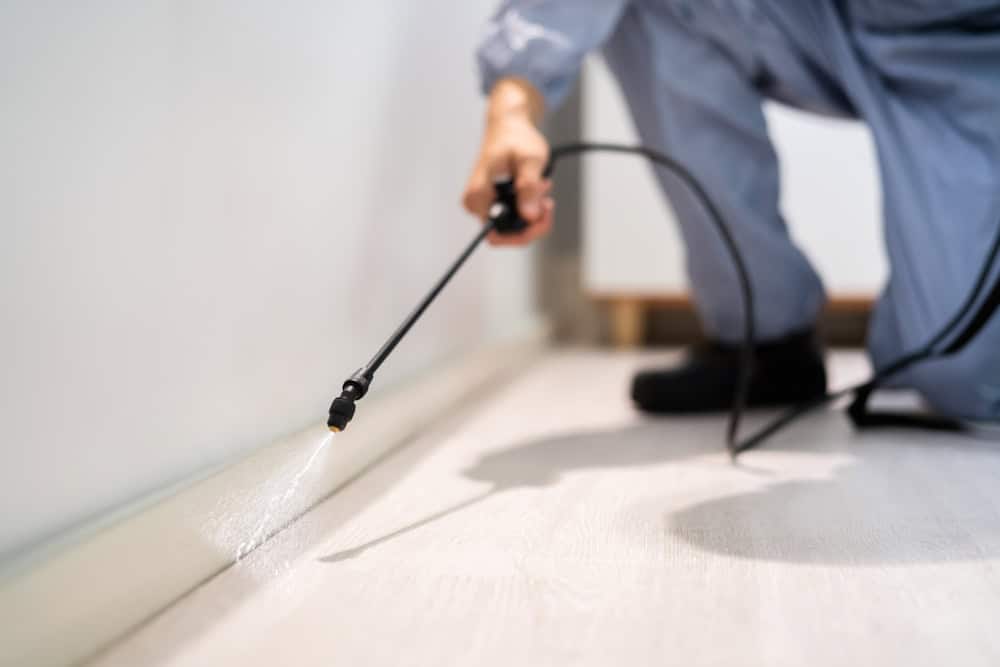
Spring preparation starts with termite inspections and ant prevention. This is when these pests become most active, searching for food and nesting sites. Professional exterminators focus on identifying potential entry points and treating areas before infestations establish. It’s also the perfect time for comprehensive property inspections to catch winter damage that might create pest entry points.
Summer requires aggressive mosquito and tick control, especially if you have wooded areas or standing water on your property. Professional barrier treatments create protective zones around your home, targeting areas where these pests rest during the day. This season also brings increased activity from stinging insects like wasps and hornets, which require specialized removal techniques.
Fall prevention focuses on exclusion—sealing entry points before rodents and occasional invaders start looking for winter shelter. This includes checking foundations, utility penetrations, and areas where different building materials meet. Professional services also treat for stink bugs and other fall invaders before they establish large populations indoors.
Winter maintenance involves monitoring and maintaining treatments applied during other seasons, plus addressing any rodent activity that develops despite prevention efforts. This is also when many homeowners discover pest damage that occurred during active seasons, making it an important time for damage assessments and planning spring treatments.
Year-round protection requires understanding these patterns and staying ahead of them. Professional pest control services adjust their approaches based on seasonal pest pressure, weather conditions, and your property’s specific vulnerabilities. This proactive approach costs less and causes fewer headaches than reactive treatments after infestations establish.
How to Choose the Right Exterminator in Sussex County NJ
Not all pest control companies are created equal, and choosing the wrong one can cost you time, money, and peace of mind. Here’s what actually matters when you’re evaluating your options.
Start with licensing and insurance—this isn’t optional. New Jersey requires pest control operators to be licensed, and reputable companies carry insurance to protect both themselves and your property. Ask to see credentials and don’t work with anyone who can’t provide them immediately.
Experience in your specific area matters more than you might think. Sussex County has unique pest pressures, seasonal patterns, and property types that require local knowledge. Companies that understand regional pest behavior, know which treatments work best in our climate, and have relationships with local suppliers typically deliver better results.
What to Expect During Professional Pest Control Service
A quality exterminator service should feel professional from the first contact to the final follow-up. Here’s what you should expect from a company that takes your pest problems seriously.
Initial contact should involve detailed questions about your specific pest issues, property type, and any previous treatments you’ve tried. Companies that immediately quote prices without understanding your situation are usually more interested in quick sales than effective solutions. Professional services typically offer free inspections to properly assess your needs.
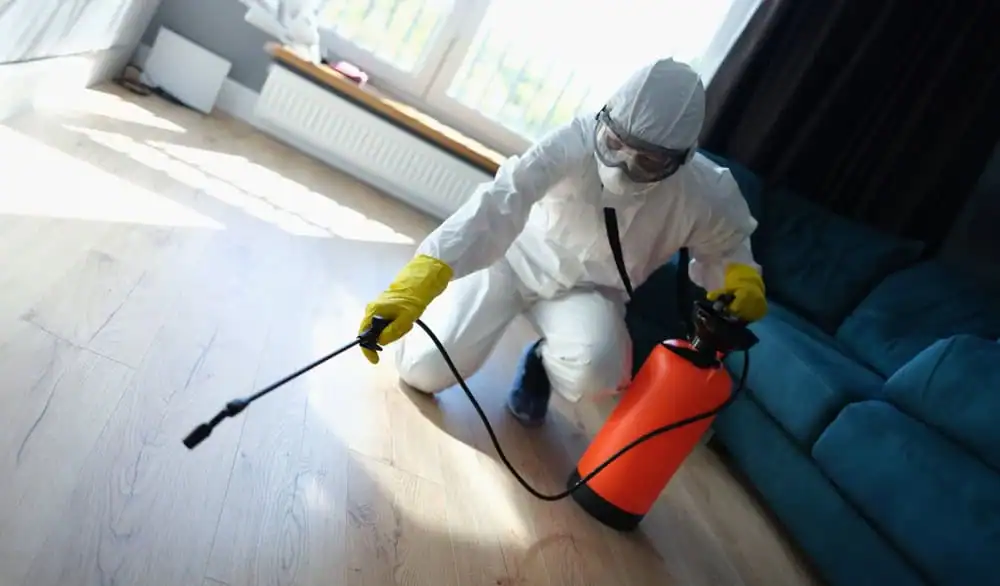
The inspection process involves much more than a quick walk-through. Experienced exterminators examine both interior and exterior areas, identify pest entry points, assess moisture issues, and look for signs of current or potential infestations. We should explain what we’re finding and why it matters to your specific situation.
Treatment plans should be customized to your property and pest issues, not one-size-fits-all approaches. Professional exterminators explain their recommended treatments, why they chose specific methods, and what results you can expect. We should also discuss prevention strategies to reduce future pest pressure.
Communication throughout the process separates professional services from amateur operations. You should receive clear information about treatment schedules, what to expect during and after treatments, and any preparation required on your part. Follow-up contact ensures treatments are working and addresses any concerns that arise.
Quality companies stand behind their work with service guarantees. If pests return between scheduled treatments, we should return to address the issue at no additional cost. This demonstrates confidence in our methods and commitment to customer satisfaction rather than just initial sales.
Cost Considerations and Value of Professional Pest Control
Let’s address the elephant in the room—professional pest control costs money, and you want to know if it’s worth it. The short answer is yes, but let us break down why the investment makes financial sense.
Prevention costs significantly less than damage repair. A single termite colony can cause $3,000 in structural damage, while comprehensive termite protection typically costs a fraction of that annually. Rodent damage to insulation, wiring, and stored items adds up quickly, not to mention potential fire hazards from damaged electrical systems.
Health considerations add another layer of value that’s difficult to quantify. Professional mosquito and tick control reduces your family’s exposure to serious diseases like Lyme disease, West Nile virus, and other vector-borne illnesses. The peace of mind and ability to enjoy your outdoor spaces safely has real value for most homeowners.
Time savings matter more than most people realize. DIY pest control involves research, shopping for products, application time, and often repeated treatments when initial efforts fail. Professional services handle everything from initial assessment to ongoing monitoring, freeing up your time for activities you actually enjoy.
Property value protection represents long-term financial benefits. Homes with documented pest issues face challenges during sales, while properties with professional pest control records demonstrate responsible maintenance. This becomes particularly important in areas like Sussex County where pest pressure is consistently high.
Service quality varies dramatically between price points, and the cheapest option rarely delivers the best value. Professional services use commercial-grade products not available to consumers, have access to specialized equipment, and possess training to identify and address pest issues that homeowners typically miss. When you factor in the cost of repeated DIY attempts, professional service often costs less while delivering significantly better results.
Taking Action Against Sussex County Pest Problems
You now understand why Sussex County’s climate creates year-round pest challenges and what it takes to address them effectively. The choice is simple: continue fighting the same battles repeatedly with limited success, or invest in professional solutions that actually work.
Remember that pest control is about prevention, not just reaction. The most successful homeowners in our area establish relationships with professional exterminators before problems become overwhelming. This proactive approach costs less, causes fewer headaches, and protects your property investment more effectively.
When you’re ready to take control of your pest problems, consider reaching out to us at Prestige Pest Unit & House Wash . Our local expertise, comprehensive services, and commitment to customer satisfaction make us a trusted choice for Sussex County homeowners who want results, not just promises.