Summary:
If you’ve found what might be termites — or you’re just trying to get ahead of the problem — you’re in the right place. Termites are one of the most common and most expensive pest problems homeowners face in Morris County. Between the older housing stock in places like Morristown and Dover, the wooded lots throughout Rockaway and Chester, and the moisture-rich environment created by the Whippany and Rockaway rivers, this county checks nearly every box on a termite’s wish list. We’ve handled hundreds of infestations across Morris County, and we know exactly what you’re dealing with. This guide covers how to identify the problem, what treatment involves, and what it actually costs — so you can make a smart decision without the pressure.
Termite Control Cost: What You're Actually Looking At
The first thing most people want to know is how much this is going to cost. That’s a fair question, and the honest answer is: it depends on the size of your home, how established the colony is, and which treatment method makes the most sense for your situation. What we can tell you is that acting early almost always costs less than waiting.
In Morris County, termite treatment typically runs between $500 and $3,500 for a standard residential property. That range reflects real differences in treatment type, home size, and infestation severity — not just company pricing. The average homeowner who delays treatment ends up spending around $3,750 just on repairs, and that’s before the cost of treatment itself. Homeowners insurance doesn’t cover termite damage, so every dollar of structural repair comes out of your pocket.
Termite Removal Cost by Treatment Type
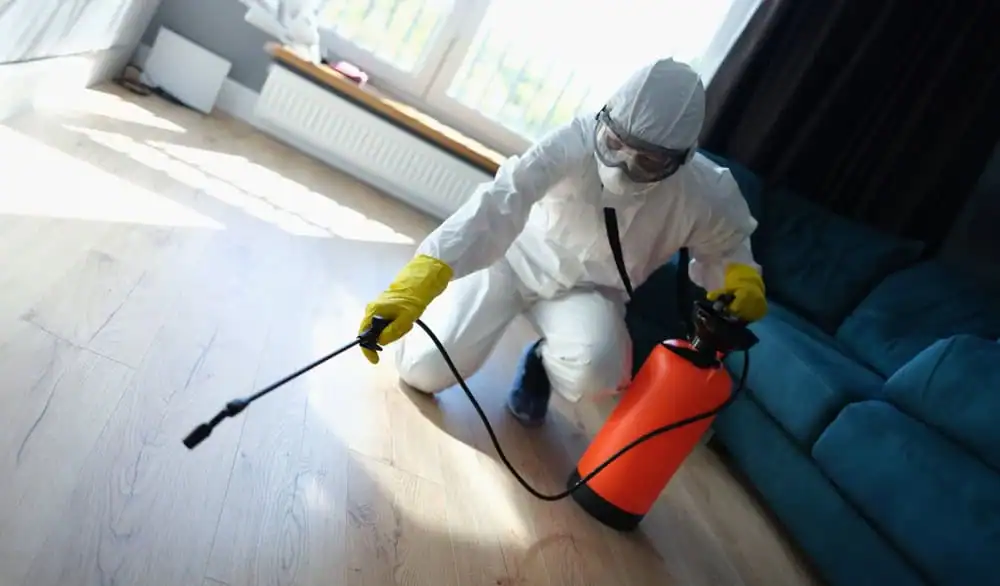
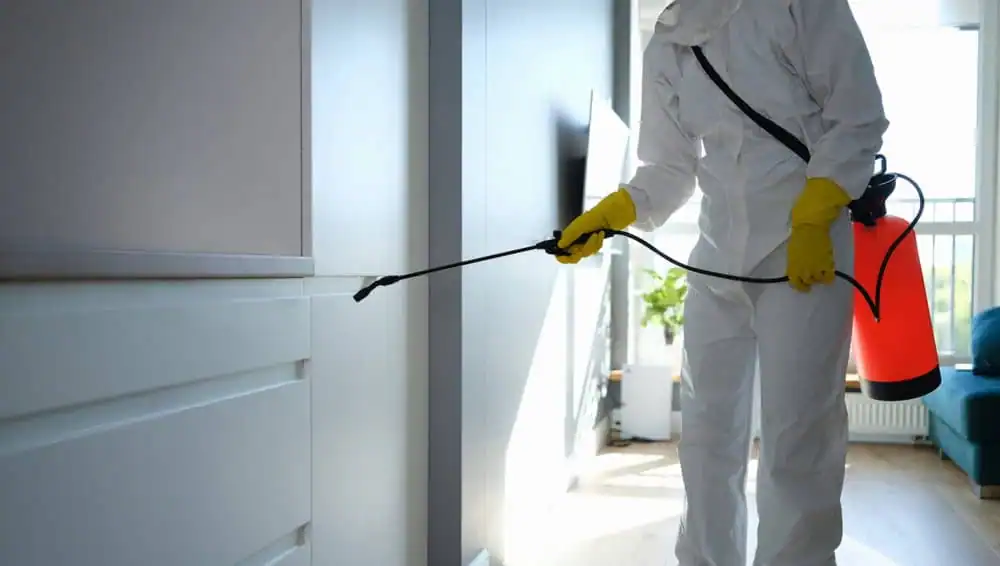
Liquid barrier treatments are the most common approach for Eastern Subterranean termites, which are the species you’re dealing with in Morris County. We trench and drill around your foundation, applying a termiticide into the soil that either kills termites on contact or — in the case of non-repellent formulas — gets carried back to the colony by workers who don’t realize they’ve been exposed. This method runs roughly $3 to $20 per linear foot of foundation perimeter, and the treatment typically holds for five or more years.
Bait systems, like Sentricon, take a different approach. We place stations in the ground around your home at regular intervals, and termites feed on the bait and bring it back to the colony. Initial installation usually costs between $1,000 and $2,500, with annual monitoring fees of $200 to $500 per year. It’s a lower-disruption option that works well for prevention and active infestations alike, though it requires ongoing maintenance to stay effective.
For most Morris County homeowners, the choice between liquid and bait comes down to the severity of the infestation and the layout of the property. Homes with finished basements or concrete slabs may require drilling, while properties with accessible crawl spaces are often more straightforward to treat. A thorough inspection is the only way to know which approach is right for your specific situation — and that inspection should always come before any treatment decision is made.
Termite Treatment Cost Per Square Foot in Morris County
When you’re comparing quotes, cost per square foot gives you a more apples-to-apples comparison than a flat price. For liquid termiticide applications, expect to see pricing in the range of $3 to $20 per linear foot of foundation — not square footage of living space, but the perimeter of the structure being treated. For heat and fumigation treatments, pricing is typically quoted per square foot of the home, usually between $1 and $4 per square foot.
Here’s something worth knowing if you’ve been researching “termite tenting” as a solution: tenting, or fumigation, is primarily used for drywood termites. Drywood termites are not established in Morris County. The species active here — Eastern Subterranean termites — live underground and travel through the soil, which means tenting does nothing to address the colony. If a company is pushing tenting as your primary solution, that’s worth questioning.
For a 2,000-square-foot home in Denville or Parsippany, a liquid barrier treatment might run $800 to $1,800 depending on the perimeter and accessibility of the foundation. A bait system for the same home might start around $1,200 for installation. These are rough benchmarks — your actual quote will depend on what the inspection turns up. What matters most is getting a clear, written breakdown of what’s included before any work begins.
Termite Home Inspection: What the Process Looks Like
A termite inspection isn’t complicated, but it does require someone who knows exactly where to look. Termites rarely show themselves directly — by the time you see live insects, a colony has usually been established for years. What we look for are the signs: mud tubes along foundation walls, hollow-sounding wood when tapped, damaged or blistered paint near baseboards, and discarded wings near windowsills or doors after a swarm.
A standard inspection covers the basement or crawl space, foundation perimeter, garage, and any wood-to-soil contact points around the exterior of the home. It typically takes 45 minutes to an hour for an average-sized home, and costs between $75 and $200. If you need documentation for a real estate transaction, that changes things slightly — which brings us to WDO inspections.
Termite Inspection for Home Purchase: What Buyers and Sellers Need to Know
If you’re buying or selling a home in Morris County, a termite inspection isn’t just a good idea — it’s often required. VA loans mandate a WDO inspection before closing. FHA loans frequently require one as well. And even on conventional transactions, most buyers’ agents will include it as a contingency, particularly for older homes in places like Morristown’s historic district or the pre-1960s housing stock common in Dover and Boonton.
The inspection used for real estate transactions is called a WDO inspection — Wood Destroying Organism inspection — and it results in a completed NPMA-33 form, which is the standard document accepted by lenders. In New Jersey, only a licensed commercial applicator with NJDEP certification in the Termite and Wood-Destroying Insects category can legally sign that form. This matters more than it sounds: if you hire an unlicensed inspector, the report won’t be accepted by your lender, and you’ll be starting over under deadline pressure.
The cost for a WDO inspection runs between $100 and $325, depending on the size and complexity of the property. If the inspection turns up an active infestation or prior damage, sellers are typically expected to address it before closing — which means both the treatment cost and a follow-up clearance inspection may be needed. For buyers, this is actually valuable information to have before you own the problem. For sellers in Chatham, Madison, or Florham Park — where home values are well above the state average — addressing termite issues proactively before listing protects both the sale price and the timeline.
We offer same-day appointments when you call before noon. That kind of turnaround matters when a deal is on the line.
WDO Inspection vs. Standard Termite Inspection: What's the Difference?
A standard termite inspection is a professional assessment of your property for signs of termite activity. It’s what you’d get if you called because you spotted mud tubes in your crawl space or saw swarmers near a window. We look, document what we find, and recommend a course of action. It’s thorough and useful, but the report it produces isn’t necessarily the document your mortgage lender needs.
A WDO inspection — Wood Destroying Insect inspection — is a formal inspection that results in a completed NPMA-33 form. This form covers not just termites but all wood-destroying insects: carpenter ants, carpenter bees, powderpost beetles, and wood-boring beetles. It’s a legal document, signed by a NJDEP-licensed applicator, and it’s what lenders, title companies, and real estate attorneys are looking for at closing.
The practical difference for most homeowners is simple: if you’re buying or selling, ask specifically for a WDO inspection and confirm the company is NJDEP-licensed to sign the NPMA-33. If you’re just investigating a concern in your own home, a standard termite inspection is the right starting point. We handle both types of inspections regularly throughout Morris County — from the townhome communities in Parsippany and Denville to the single-family homes in Randolph, Chester, and Long Hill. Knowing which one you need before you call saves time and gets you the right documentation the first time.
Finding a Termite Company in Morris County, NJ That You Can Actually Trust
Choosing who handles your termite problem matters. You want someone licensed, someone who shows up when they say they will, and someone who explains what they’re doing before they do it — not after. In a county as diverse as Morris County, where you’ve got century-old homes in Morristown sitting a few miles from newer HOA communities in Parsippany, the right approach isn’t one-size-fits-all. It’s an inspection, a real conversation, and a plan that fits your property.
We’re licensed and insured, we offer same-day appointments when you call before noon, and we back every job with a 100% satisfaction guarantee — if the problem isn’t resolved, we come back at no additional cost. We also offer exterior cleaning services that directly address the moisture and organic buildup conditions that attract termites in the first place, which is something most pest control companies simply can’t offer.
If you’ve got a concern — whether it’s a real estate deadline, something you spotted in the basement, or just peace of mind before spring swarming season — reach out to us. We’ll take a look, tell you exactly what we find, and give you a clear path forward.