
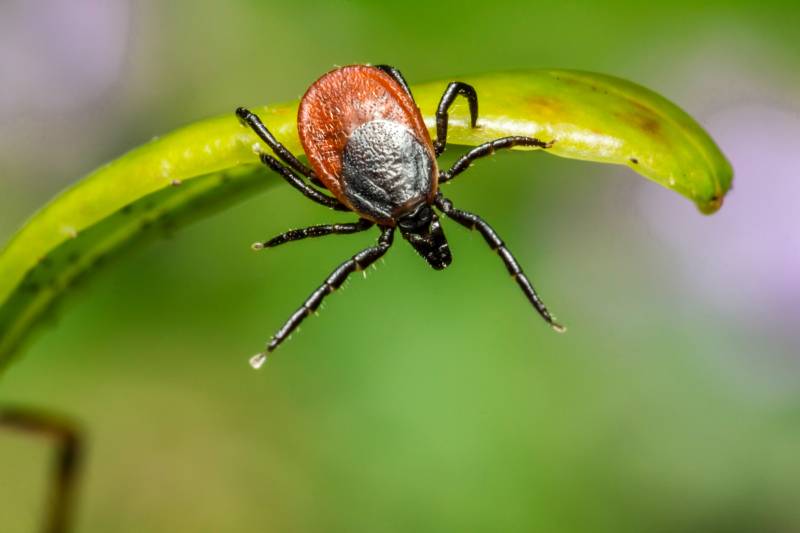
Spending time outdoors in beautiful Sussex County, NJ? Don’t let tiny ticks turn your adventure into a health scare. I’m here to help you identify these little critters and understand the risks they pose. Let’s keep you and your family safe while enjoying all that nature has to offer!
Tick Identification in Sussex County
Ticks are arachnids, just like spiders, and they’re experts at blending in with their surroundings. Often no larger than a sesame seed, they can easily go unnoticed. In Sussex County, with its diverse natural landscapes, we have a variety of ticks lurking in grassy fields, wooded areas, and bushy undergrowth, just waiting to latch onto a passing host. Knowing what you’re dealing with is the first step in protecting yourself and your loved ones.
These tiny creatures can transmit diseases, some of which can have serious health consequences. By learning to identify different tick species, you can take the necessary precautions and seek prompt treatment if needed. Let’s explore the common types of ticks you might encounter in Sussex County and how to spot them.
Common Types of Ticks in Sussex County
Sussex County is home to several tick species, each with its own characteristics and potential health risks:
- Black-legged Tick (Deer Tick): This is the primary carrier of Lyme disease, a serious bacterial infection that can cause a range of symptoms, from fever and fatigue to joint pain and neurological problems. Black-legged ticks are typically found in wooded areas and are most active in the spring and fall.
- American Dog Tick: Known for spreading Rocky Mountain spotted fever, a potentially fatal illness characterized by fever, headache, and a distinctive rash, the American dog tick prefers grassy areas and is most active in the spring and summer.
- Lone Star Tick: Easily identifiable by the single white spot on the female’s back, this tick can transmit a variety of diseases, including ehrlichiosis and tularemia. It can also cause an allergy to red meat (alpha-gal syndrome), a peculiar and potentially life-threatening reaction.
How to Spot a Tick
Finding a tick can be like searching for a needle in a haystack, but here are some tips to increase your chances of detection:
- Check Yourself After Being Outdoors: Pay close attention to warm, moist areas like your armpits, groin, and scalp.
- Look for Small Bumps: Ticks can appear as small, dark bumps on your skin.
- Use a Mirror: A mirror can help you check those hard-to-see areas.
Health Risks Associated with Ticks
Ticks are notorious for transmitting diseases. Lyme disease is the most well-known, but ticks can also spread anaplasmosis, babesiosis, and ehrlichiosis, among other illnesses. Each disease has its own set of symptoms and potential complications, so it’s important to be aware of the risks associated with tick bites.
Lyme disease can be particularly challenging to diagnose, as early symptoms often mimic the flu. If left untreated, it can lead to serious health problems affecting the joints, heart, and nervous system. The good news is that most tick-borne illnesses can be treated effectively with antibiotics if detected early.
Lyme Disease: Symptoms and Risks
Lyme disease often begins with flu-like symptoms, such as fever, fatigue, headache, muscle aches, and joint pain. A characteristic “bull’s-eye” rash may also appear at the site of the tick bite. If you experience any of these symptoms after being bitten by a tick, it’s crucial to seek medical attention promptly.
Untreated Lyme disease can progress to more severe stages, affecting the joints, heart, and nervous system. Early diagnosis and treatment are vital for preventing long-term complications.
Protecting Yourself from Tick Bites
Prevention is your best defense against tick-borne illnesses. Here are some tips to reduce your risk:
- Wear Protective Clothing: When spending time outdoors, wear long sleeves, pants, and closed-toe shoes. Tuck your pants into your socks for added protection.
- Use Insect Repellent: Apply an EPA-registered insect repellent containing DEET or permethrin to exposed skin and clothing.
- Check for Ticks Regularly: After being outdoors, carefully examine yourself, your children, and your pets for ticks.
Enjoy Sussex County Safely
Ticks are a reality of outdoor life in Sussex County, but they don’t have to prevent you from enjoying all that our beautiful region has to offer. By learning to identify ticks, taking preventive measures, and seeking prompt medical attention when needed, you can significantly reduce your risk of tick-borne illnesses. Stay vigilant, and enjoy all that Sussex County has to offer!