Why Mosquitoes Love Standing Water
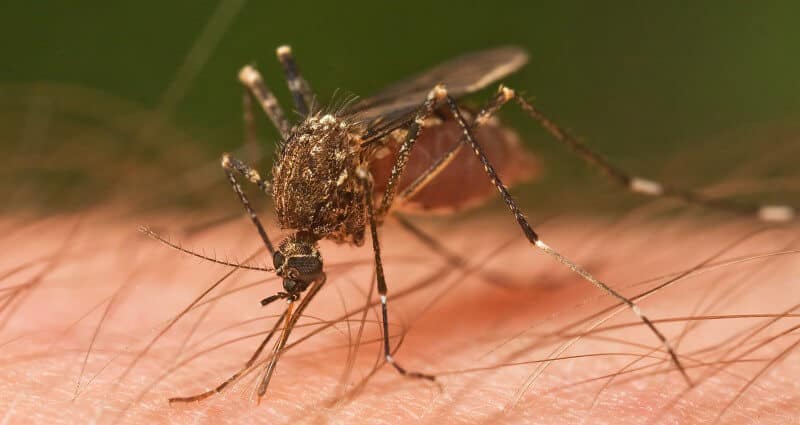
Mosquitoes don’t just magically appear; they need a place to lay their eggs and for their young to develop. And guess what their ideal nursery is? You got it—standing water! Any area of stagnant water, no matter how small, can become a breeding ground for these pesky insects.
Think about it: a female mosquito can lay hundreds of eggs in a tiny amount of water. These eggs hatch into larvae (wigglers), which then transform into pupae, and finally emerge as adult mosquitoes ready to feast. This entire process can happen in a week or two, meaning that standing water can quickly turn into a mosquito metropolis!
Where Mosquitoes Breed in Your Yard
Now that you understand why mosquitoes love standing water, let’s uncover where these sneaky breeding grounds might be hiding around your Sussex County property. To effectively identify and eliminate these mosquito breeding zones, it’s important to regularly check for any sources of stagnant water. This includes seemingly harmless places like:
- Old tires
- Forgotten containers
- Clogged gutters
- Flower pot saucers
- Birdbaths
- Even pet water bowls!
Even the smallest puddle can be an ideal spot for mosquitoes to lay their eggs.
Common Breeding Sites:
- Outdoor containers: These are the usual suspects that we often forget about: bird baths, clogged gutters, flower pots, buckets, and children’s toys. Anything that can collect rainwater can become a mosquito breeding ground. Don’t forget about those less obvious spots! Old tires, tarps, wheelbarrows, and even discarded bottle caps can hold enough water for mosquitoes to breed.
- Yard features: Areas with poor drainage, low-lying spots in your yard, and even tree holes can collect water and become mosquito havens. Pay close attention to areas under decks and structures, as these can often harbor hidden puddles or damp areas. Also, check outdoor furniture for any water trapped in crevices or cushions.
- Plant containers: Flower pot saucers and trays can collect water, so check them regularly and ensure they are not overflowing.
The Sussex County Climate Connection
Sussex County’s climate plays a role in mosquito breeding, too. Our humid summers and frequent rain showers provide ample opportunities for water to accumulate and stagnate. This makes it even more crucial to be vigilant about identifying and eliminating potential breeding sites around your home.
Effective Mosquito Prevention Strategies
Ready to take control and show those mosquitoes who’s boss? Here are some practical steps you can take to eliminate standing water and prevent mosquitoes from breeding in your yard:
- Regularly empty and clean: Make it a habit to empty and scrub any containers that collect water, such as flower pots, bird baths, and pet dishes. Do this at least once a week to disrupt the mosquito breeding cycle.
- Maintain your gutters: Clean your gutters regularly to ensure proper drainage and prevent water from accumulating. Clogged gutters can create perfect breeding grounds for mosquitoes.
- Store items properly: Store items like buckets, toys, and wheelbarrows upside down or under cover to prevent them from collecting water. For items that need to hold water, like rain barrels, use a tight-fitting lid or fine mesh screen to prevent mosquitoes from accessing the water.
- Address drainage issues: Fill in any low-lying areas in your yard and ensure proper drainage to prevent water from pooling. Repair any leaky faucets or pipes outside your home that could create puddles.
- Keep your yard tidy: Remove any debris, such as old tires, leaves, and branches, that can create pockets of standing water. Keep your lawn mowed and trim overgrown vegetation to reduce mosquito hiding spots.
Natural Mosquito Control Methods
For those who prefer natural solutions, there are several options to consider:
- Mosquito-repelling plants: Incorporate plants like citronella, lavender, marigolds, and catnip into your landscaping to naturally deter mosquitoes.
- Essential oils: Create a homemade mosquito repellent spray using essential oils like eucalyptus, lemon balm, and peppermint.
- Bat houses: Attract bats to your yard by installing bat houses. These natural predators can help control mosquito populations. If you have a larger pond, consider introducing mosquito fish, which feed on mosquito larvae.
When to Call the Professionals
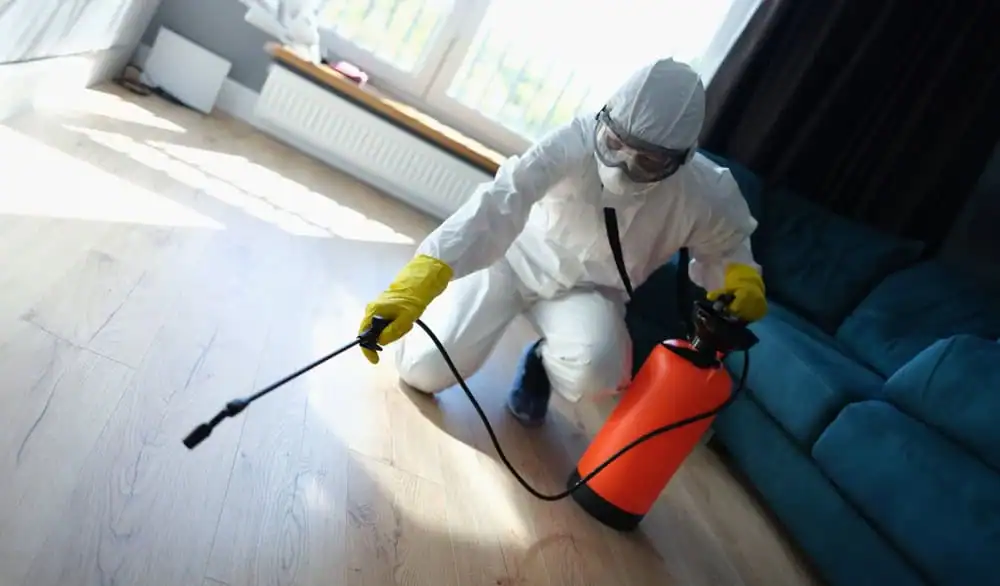
If you’re still struggling with mosquitoes despite your best efforts, it might be time to call in the pros at Prestige Pest Unit & House Wash. We offer professional mosquito control services tailored to Sussex County homes.
Our team can identify breeding sites you might have missed and implement effective solutions to keep your property mosquito-free. We use targeted treatments that are safe for your family and pets while effectively eliminating mosquitoes at all stages of their life cycle.
Enjoy a Mosquito-Free Yard in Sussex County
Don’t let mosquitoes ruin your outdoor fun! By understanding how standing water contributes to their breeding cycle and taking proactive steps to eliminate these breeding grounds, you can reclaim your yard and enjoy those beautiful Sussex County evenings without the constant buzzing and biting.
And remember, Prestige Pest Unit & House Wash is always here to help you achieve a mosquito-free environment. Contact us today for a free consultation!