
Summary:
Identifying Pavement Ants in Sussex and Morris County Homes
Pavement ants are dark brown to black in color, with lighter colored legs and distinctive parallel lines running down their head and thorax. Adult workers grow to about 1/8th of an inch in length. Think of them as the “everyday” ant you’re most likely to encounter around your property.
These ants range from brown to black with pale brown legs and antennae, and as their name suggests, they nest under shallow soil beneath sidewalks and patios. The pavement ant name comes from their habit of building colonies under sidewalks, and they’re usually spotted around concrete and food sources.
Where You'll Find Pavement Ants Around Your Property
Pavement ants get their name from their tendency to build nests under cracks in sidewalks and other paved surfaces. Although they typically stay outdoors where they forage up to 30 feet for food, some can invade indoor structures. You’ll often spot the telltale signs right where you’d expect – along driveways, walkways, and patio edges.
Pavement ants tend to come out at night more than during the day, and they enter houses through cracks around windows and doors and foundation cracks. You might find them in ground-floor areas, such as inside walls or under floors. The good news? They’re not particularly destructive.
Pavement ants aren’t choosy about what they eat. If they get into your home, they can feed on crumbs, fruits, meats, grains, and almost any other kind of food. They prefer sweets but will eat greasy foods, many foods consumed by humans, as well as live or dead insects. Pavement ants are unusual in that they fight one another to establish dominance, continuing until one colony wins, typically when it starts to warm up after winter.
Pavement Ant Behavior and Why They're Mostly Harmless
Pavement ant workers can become a nuisance when large groups forage for food inside your home, but these ants are harmless to you and your home – they’re considered a nuisance pest. Pavement ants are known for creating nests under concrete structures like sidewalks, patios, and slabs, and they will invade homes in large numbers with the ability to bite and sting.
While they can bite and sting, the sting or bite may be minor, though it’s better to be safe than sorry. Pavement ants only grow to be around 1/8th of an inch as adults and are much smaller than carpenter ants and other large ant species. Their small size and preference for outdoor nesting make them less of a long-term threat to your home’s structure.
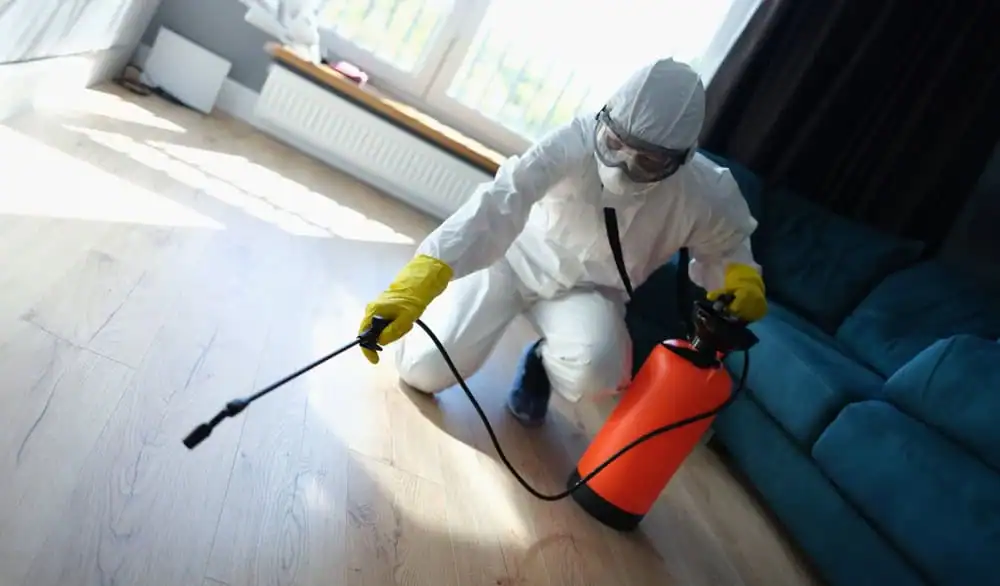
The key difference between pavement ants and more serious species is their impact on your property. Since these pests can contaminate food, it’s important to have pest control experts handle an infestation by locating nests and using effective elimination methods. But you’re not looking at structural damage or major repair bills with pavement ants.
Recognizing Carpenter Ants: The Species That Can Damage Your Home
Carpenter ants are black or dark brown insects about ¼” to ½” in length – significantly larger than pavement ants. Carpenter ants are among the largest ants in the United States, measuring 3.4 to 13 mm in length and typically black in color, though some species may be red, orange, or a combination of these colors.
Carpenter ants make nests by excavating wood and bore holes in wood, leaving what looks like wood shavings or sawdust behind. Unlike termites, the galleries of carpenter ants are clean and contain no soil or fecal pellets. This is your first major red flag that you’re dealing with a structural threat, not just a nuisance.
Signs of Carpenter Ant Activity in Sussex and Morris County Homes
Carpenter ants are among the most common pests in Morris and Sussex Counties, making identification crucial for local homeowners. If you’ve noticed small groups of dark brown or big black ants crawling through your New Jersey home, you may want to act sooner rather than later.
A little pile of what looks like sawdust near a window, or faint clicking sounds from within the walls, are serious red flags. Carpenter ants can most easily be seen along trunk trails at night when they are most active. In spring, mature colonies produce winged reproductive ants called “swarmers” that fly out to start new colonies, and these swarms often occur from satellite colonies within homes, so homeowners may see large flying ants in their home at night.
Most carpenter ant colonies are about five years old when they start producing swarmers, and they often don’t travel very far, making it common to find numerous related carpenter ant colonies clustered near each other in smaller “satellite colonies”. Carpenter ants tunnel through wood to build their nests, often in damp tree stumps outside or moist wood in basements or bathrooms, while termites actually eat the wood, working from the inside out.
Why Carpenter Ants Are a Serious Threat to Your Property
Of all ants native to the New Jersey and Pennsylvania area, only carpenter ants and acrobat ants can cause structural damage, with carpenter ants being more serious because they destroy sound wood in addition to wood weakened by moisture damage. Carpenter ants pose a real threat to the structure of your home and may also make your house a less-healthy place to live.
If left alone to multiply and grow their numbers, carpenter ants can do extensive damage to a structure over time. As the structure is carved into by these wood-destroying creatures, beams and walls can weaken, causing windows and doors to malfunction and walls, floors and ceilings to develop bulges or slopes. Carpenter ants are a dangerous species that can cause enough damage inside homes to eventually weaken their structural integrity.
Longevity is one of the carpenter ant’s strengths – queens can live up to 10 years and workers can live as long as seven years. Because carpenter ants live so long, waiting for a colony to die out is not a viable solution. Carpenter ants don’t use wood for food but discard wood fragments and feed on the sugary liquids of trees and plants, and they’re attracted to sweet foods. This means they’re not just passing through – they’re setting up permanent residence in your home’s structure.
Getting Professional Ant Identification and Control in Sussex and Morris County
Identification is important because some ants can cause problems while others are more of a nuisance. It’s important to act right away and contact a pest control professional to solve your carpenter ant concerns. When you’re serious about getting rid of your ant infestation, the best strategy is to call a professional pest control service immediately – we understand big black ants better than anyone and can totally eradicate the problem.
We have the knowledge to identify different ant species and are well-versed in their behaviors and biology, enabling us to create effective strategies for ant control . Don’t risk misidentifying the species and applying the wrong treatment approach. Contact Prestige Pest Unit & House Wash for accurate identification and effective elimination of ant problems in your Sussex or Morris County home.