Summary:
What Winter Does to Your Siding in Pequannock
Morris County winters are tough on exteriors. Road salt doesn’t just stay on the driveway—it splashes onto siding, settles into seams, and holds moisture against surfaces that should stay dry. Add freeze-thaw cycles, and you’ve got the perfect setup for mildew and algae to take root before you even notice.
By the time March rolls around, that dull, streaky look isn’t just dirt. It’s organic growth feeding on trapped moisture, plus months of grime baked into the surface. The longer it sits, the deeper it goes. And once it’s embedded, a garden hose won’t touch it.
Why mold and algae spread fast after winter
Algae and mildew don’t need much to thrive—just shade, moisture, and a surface to cling to. North-facing walls get less sun, so they stay damp longer after rain or snow. Tree coverage makes it worse by blocking airflow and dropping organic debris that feeds growth.
Winter leaves your siding primed for this. Melting snow, morning dew, and spring rain keep surfaces wet for hours. Temperatures warm up just enough to accelerate growth, but not enough to dry things out quickly. That’s why you see green film and black streaks pop up seemingly overnight in early spring.
The problem compounds if gutters are clogged or downspouts dump water too close to the foundation. Water runs down siding instead of away from it, creating constant moisture exposure. Over time, this doesn’t just stain—it breaks down paint, seeps into seams, and creates an environment where mold can spread behind the siding where you can’t see it.
Health risks come into play too. Mold releases spores that trigger allergies and respiratory issues, especially for kids or anyone with asthma. It’s not just cosmetic. Left unchecked, it becomes an indoor air quality problem and a structural concern as moisture works its way into wall cavities.
Salt residue and grime damage you can't see
Road salt is corrosive. It doesn’t rinse off on its own, and it doesn’t evaporate. It sits on siding, absorbs moisture from the air, and creates a slow, steady attack on finishes and materials. Vinyl can discolor. Paint can blister. Metal fixtures can corrode.
The damage is gradual, which is why homeowners miss it until it’s obvious. A little dulling here, a small crack there—it all adds up. And because salt pulls moisture, it keeps surfaces damp longer than they should be, giving mold and mildew more time to establish.
Grime works the same way. Exhaust fumes, pollen, dirt—it all sticks to siding over the winter when there’s no rain to wash it away. By spring, you’ve got a layer of buildup that’s part organic, part chemical, and entirely stubborn. Scrubbing it by hand is exhausting and ineffective. Blasting it with high pressure might remove it, but it’ll also remove other things you want to keep—like paint, protective coatings, and the structural integrity of the siding itself.
This is where homeowners get stuck. They know the siding needs cleaning, but they’ve heard horror stories about pressure washing gone wrong. Cracked panels, water damage inside walls, voided warranties. So they wait, hoping the problem resolves itself. It doesn’t. Stains set deeper, growth spreads wider, and what could have been a straightforward cleaning becomes a restoration project.
Soft Washing vs Pressure Washing: What Actually Protects Your Siding
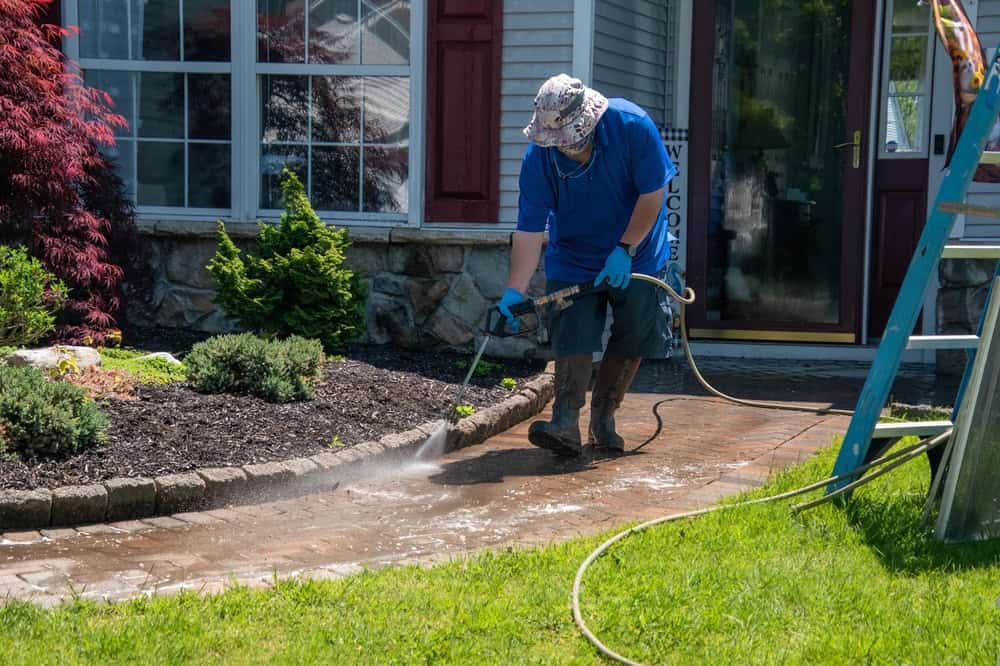
Pressure washing sounds like the obvious solution—high-powered water blasting away months of buildup in minutes. But siding isn’t concrete. It’s not designed to handle that kind of force, and the consequences show up fast.
Soft washing takes a different approach. Low pressure, specialized detergents, and a process that treats the cause instead of just the symptom. It’s not about blasting grime off the surface. It’s about breaking down the bond between organic growth and your siding, then rinsing it away gently. The results last longer because you’re killing mold and algae at the source, not just moving them around.
How pressure washing damages vinyl and wood siding
Vinyl siding has seams, weep holes, and interlocking panels designed to let walls breathe. High-pressure water doesn’t care about design—it finds gaps and forces its way through. Water gets behind panels, soaks into insulation, and creates hidden moisture problems that lead to mold growth inside your walls.
Even if water doesn’t penetrate, the pressure itself can crack brittle vinyl, especially if it’s older or sun-damaged. Panels can warp, edges can lift, and once that happens, wind-driven rain has an easy entry point. You’ve traded a dirty exterior for a structural problem that costs significantly more to fix.
Wood siding fares even worse. Pressure washing can splinter surfaces, strip paint, and gouge soft spots where rot has started. The force etches the grain, leaving a rough texture that collects dirt faster and looks worse than before you started. If you’re trying to prep for painting, aggressive pressure washing can do more harm than good by damaging the substrate you’re about to coat.
Metal and stucco aren’t immune either. High pressure can dent aluminum, strip protective coatings, and blast mortar out of stucco joints. The damage might not be immediately obvious, but it shows up over time as rust, water intrusion, or crumbling surfaces. And once it’s done, there’s no undoing it—you’re looking at repairs or replacement.
Why soft washing works better for mold and algae removal
Soft washing uses detergents formulated to kill organic growth, not just rinse it away. The solution is applied at low pressure, allowed to dwell so it can break down mold, mildew, and algae at the cellular level, then rinsed off with a gentle stream. The result is a clean surface without the risk of damage.
Because the detergents do the heavy lifting, there’s no need for high pressure. You’re not relying on force to remove stains—you’re using chemistry to dissolve them. This is especially important for north-facing walls and shaded areas where growth is thickest. Pressure alone won’t kill the roots, so even if you blast it clean today, it’ll be back in weeks. Soft washing prevents regrowth by eliminating the organism, not just its visible presence.
The process is also safer for landscaping. High-pressure streams can damage plants, tear up mulch, and erode soil around foundations. Soft washing is controlled and directional, so nearby shrubs and flower beds aren’t collateral damage. The detergents we use are biodegradable and safe when applied correctly, which matters if you’ve got gardens, pets, or kids playing in the yard.
Timing matters too. Soft washing works best in spring when growth is still establishing. Colonies are shallow and easier to treat before summer heat bakes them onto the surface. Wait until July, and you’re dealing with thicker buildup that takes more time and product to address. Spring cleaning isn’t just about aesthetics—it’s about catching problems while they’re still manageable.
When to Schedule House Washing in Pequannock
March through early May is the window that makes sense for most Pequannock homeowners. Temperatures are mild, surfaces dry properly, and you’re cleaning before spring pollen adds another layer of mess. Schedules fill quickly this time of year, so booking early means you get the date you want instead of waiting weeks while stains set deeper.
If your siding shows streaks, green film, or dull patches, don’t wait for it to get worse. The longer organic growth sits, the harder it is to remove and the more damage it causes underneath. A professional soft wash now protects your investment and keeps your home looking the way it should.
We handle exterior cleaning for homeowners across Morris County who want results without the risk of DIY mistakes or high-pressure damage. Same-day appointments are available when you schedule before noon, and every job is handled by our licensed, insured technicians who know how to treat siding the right way.