Summary:
Heat Treatment for Bed Bugs: The Complete Breakdown
Heat treatment uses specialized equipment to gradually increase temperatures in infested areas to levels where bed bugs can no longer survive. We elevate ambient temperatures to between 120° and 140° Fahrenheit, maintaining these lethal conditions long enough to eliminate every life stage of the pest.
This method reaches every possible hiding spot, even behind picture frames and deep inside furniture where chemicals might never penetrate. Unlike chemical treatments, bed bugs are actually drawn to heat, which helps ensure they can’t escape to untreated areas.
Why Heat Treatment Costs More Upfront But Saves Money Long-Term
Heat treatment tends to be more expensive upfront than chemical alternatives, primarily because it requires specialized equipment and professional execution. The costs are associated with professional service requirements, careful temperature monitoring, and high-end heaters, thermometers, and fans to ensure even heat distribution.
However, the math changes when you consider the total investment. Heat treatment usually requires only one session, while chemical treatments often need multiple visits over weeks or even months. Chemical treatments may require retreating multiple times to ensure complete elimination, which factors into the overall cost.
You also avoid the hidden costs of replacing furniture and belongings that chemical treatments often force you to discard. When a single heat treatment eliminates the entire infestation while preserving your possessions, the investment often proves more economical than the ongoing expenses of chemical retreatments plus replacement costs.
The time factor matters too. Heat treatment is typically a one-day solution, unlike chemical treatments that may need multiple applications over time. For busy families in Morris County, NJ, this means less disruption to your daily routine and faster return to normal life.
Safety Advantages That Matter Most to NJ Families
Heat treatment uses no chemicals, making it eco-friendly and safer for people and pets. Chemical-free, non-toxic treatments eliminate bed bugs on contact while remaining safe for children, pets, and sensitive environments. This matters especially for families in Sussex County, NJ with young children or family members who have respiratory sensitivities.
Once your home cools down after heat treatment, the only change is the absence of bed bugs. There are no residual chemicals to worry about, no concerns about pets walking on treated surfaces, and no need to keep children away from certain areas of your home.
The preparation requirements also reflect this safety advantage. Heat treatment typically requires minimal pre-treatment preparation, unlike chemical treatments that often require extensive preparation of infested areas. You’ll need to remove heat-sensitive items like electronics, medications, and cosmetics, but you won’t need to bag clothing or worry about chemical contamination.
For heat treatment, you simply need to turn off air conditioners, close windows, and remove items sensitive to high temperatures. Sensitive items get stored in sealed bags and inspected afterward to prevent reinfestation, rather than being exposed to chemical treatments.
Chemical Bed Bug Treatment: Understanding Your Options
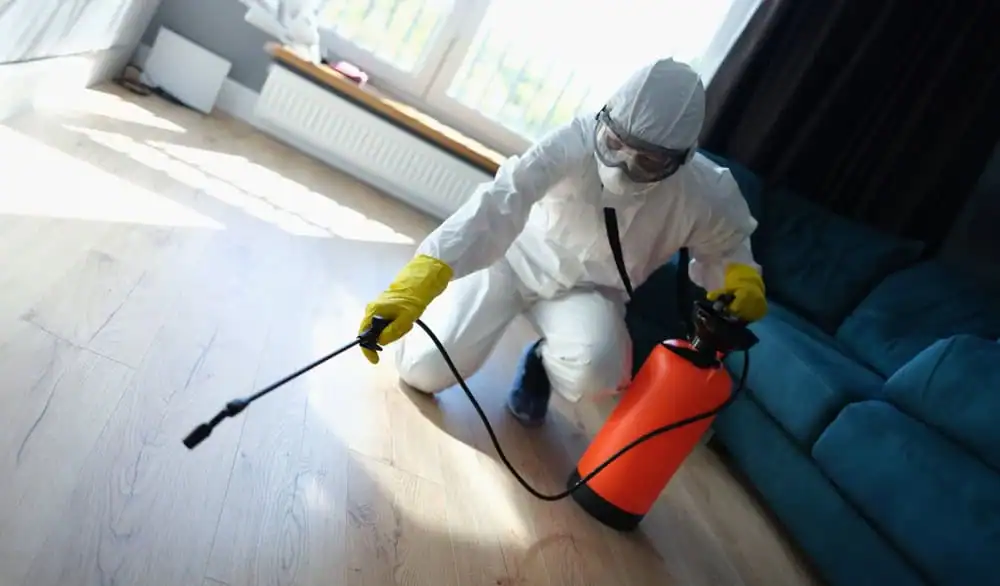
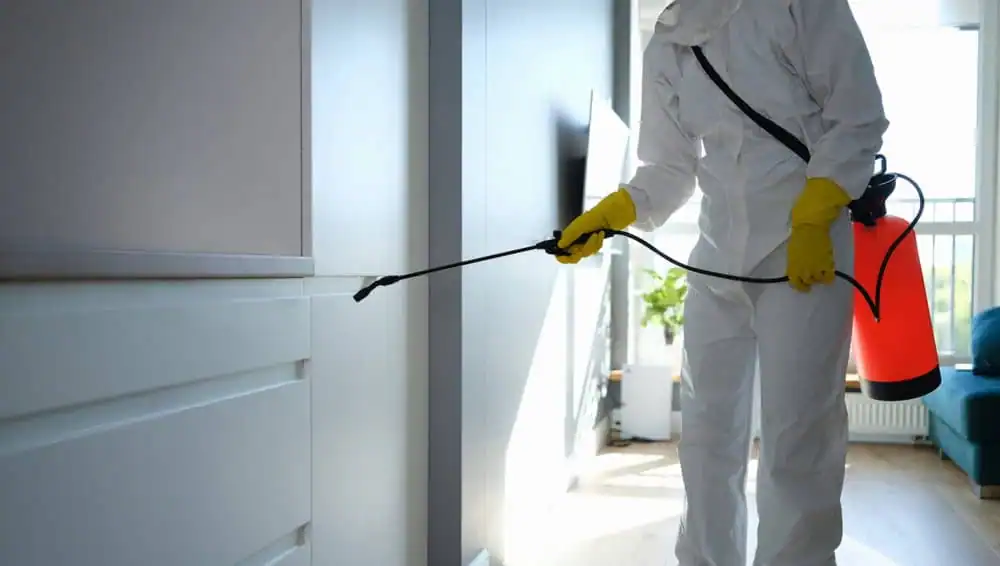
Chemical treatments involve using insecticides to kill bed bugs, typically sprayed onto affected areas. Chemical treatments are generally more cost-effective than heat treatment, making them accessible to a broader range of homeowners. Modern chemical approaches have evolved significantly from older, less effective formulations.
Many chemical insecticides provide residual protection, remaining active beyond initial application to help deter reinfestation. This ongoing protection can be valuable for preventing future bed bug problems, especially in multi-family housing situations common throughout Morris County, NJ.
The Reality of Chemical Treatment Effectiveness
Recent surveys show chemical spray treatments have around a 50% success rate after three treatments. Bed bugs have become highly resistant to pesticides, requiring over 1,000 times more pesticides today to kill a single bed bug than 30 years ago, and over-the-counter treatments are often not strong enough.
Bed bugs are starting to adapt to chemical treatments, not only recognizing the scent and running away, but also becoming more resistant to the chemicals themselves. This resistance makes chemical treatments less effective, and retreating becomes time-consuming if each treatment doesn’t fully resolve the problem.
Chemical treatments require meticulous attention and multiple applications over weeks, initially eliminating adult pests but potentially missing eggs that hatch later and require additional treatments. Chemical treatments can only treat areas they touch, meaning bed bugs taking shelter in untreated areas are likely to survive and require multiple treatments.
However, when properly applied by professionals, chemical treatments can be effective. Residual chemical treatment provides ongoing protection against surviving or reintroduced bed bugs, with chemical residues continuing to work for months after treatment.
Chemical Treatment Safety Considerations for NJ Families
Chemical treatments are often associated with health risks and can be dangerous to high-risk individuals, pets, and other animals that may come into contact with them. Using chemicals introduces potential health risks to humans and pets, with some individuals experiencing allergic reactions, respiratory issues, or skin irritations after exposure.
Preparation for chemical treatment includes removing clutter, picking up pet food, putting away open food, and moving all children’s toys and personal items from treatment areas. You must avoid all treated surfaces until dry, though once materials have dried, they pose little risk and you can proceed with daily life.
We design our programs with pets and children in mind, carefully selecting products to minimize effects on families, pets, and the environment. For bed bug treatments, we typically recommend staying away from treated areas for about 4 hours.
The key difference lies in ongoing exposure concerns. While heat treatment eliminates risks once temperatures return to normal, chemical treatments require ongoing vigilance about surface contact, air quality, and potential long-term exposure effects, especially important for families with young children in Sussex County, NJ homes.
Making the Right Investment Decision for Your Family
Heat treatments stand out as more effective, safe, and environmentally friendly than chemical treatments. For families prioritizing safety and single-treatment effectiveness, heat treatment represents the superior investment despite higher upfront costs. Bed bugs cannot develop resistance to heat, ensuring treatment effectiveness every time.
The decision between heat and chemical treatment depends on various factors including safety priorities, cost considerations, timeline requirements, and effectiveness needs. Consider your family’s specific circumstances, the severity of your infestation, and your long-term peace of mind when making this important investment.
When you’re ready to eliminate bed bugs from your Sussex County, NJ or Morris County, NJ home with professional expertise , we offer comprehensive solutions tailored to your family’s needs and safety priorities.