Summary:
October in Morris County means leaf piles building up along your foundation, temperatures dropping fast, and pests doing exactly what they do every year — looking for somewhere warm to spend the winter. The difference between a pest-free home and a rodent problem that follows you through February often comes down to what you do in September and October, before they’re already inside. This page covers the most common fall invaders in northern New Jersey, what actually works to keep them out, and why exterior cleaning is a bigger part of the equation than most people realize.
Common Fall Pest Invaders in Morris County, NJ
Northern New Jersey has a specific mix of fall pest pressure that homeowners in warmer or more urban parts of the state don’t deal with the same way. The wooded character of Morris County — think Chester, Denville, Jefferson Township, Rockaway — means mice, deer ticks, and overwintering insects are a consistent seasonal reality, not a once-in-a-while problem.
The pests most likely to push into your home between September and November are mice, brown marmorated stink bugs, cluster flies, boxelder bugs, cockroaches, and spiders. Each one has its own behavior and its own entry strategy, which is why a comprehensive pest control service rarely relies on a single approach to handle all of them.
Why Mice Are the Biggest Fall Threat to Morris County Homes
Mice are the pest that causes the most damage and the most anxiety — and fall is exactly when they become aggressive about getting inside. As temperatures drop below 50°F, they start actively searching for warmth, and your home is the obvious answer. What makes this genuinely alarming is how little space they need. A mouse can fit through a gap the size of a dime — roughly a quarter inch. That’s a crack around a pipe, a gap under a door, a spot where your siding meets the foundation. Gaps that you’d never notice on a normal day.
Once inside, the problem compounds quickly. A single female mouse can produce up to 60 offspring in a year. So what looks like one mouse in November can be a full infestation by February. Rodents also carry over 30 diseases and can chew through electrical wiring — which is a fire hazard that has nothing to do with the droppings or the health concerns. This isn’t a “wait and see” situation.
In Morris County specifically, the fall leaf accumulation makes this worse. Leaf piles that build up against your foundation — common on the wooded lots throughout Denville, Rockaway, and Chester — give mice direct harborage right at the point of entry. They nest in the debris, then move inward when it gets cold enough. Clearing that debris and sealing entry points before October’s first frost is the most effective thing you can do to prevent a rodent problem from taking hold.
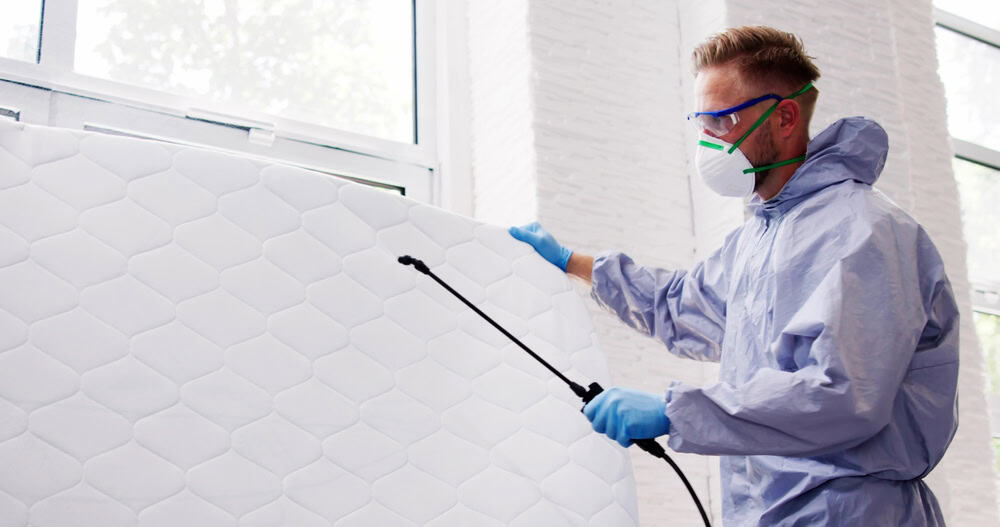
Our treatment at this stage includes a thorough inspection of the exterior and interior, identification of entry points, physical exclusion work (sealing gaps with appropriate materials), and targeted baiting or trapping where needed. The difference between that and a hardware store trap is the difference between treating a symptom and solving the problem.
Stink Bugs, Cluster Flies, and Other Fall Invaders You're Probably Ignoring
Mice get the most attention, but they’re not the only pest pressing against your walls in fall. The brown marmorated stink bug has become one of the most recognizable fall nuisances in Morris County since it established itself here in the late 1990s. By late September, you’ll often see them gathering on the south-facing exterior walls of homes — warm, sunny surfaces where they absorb heat before finding a gap to slip through. Once inside, they overwinter in wall voids and attic spaces, and emerge in spring. They don’t bite and they don’t cause structural damage, but they’re persistent, they smell when disturbed, and once they find their way in, they tend to return to the same spots year after year.
Cluster flies are less well-known but just as frustrating. They look similar to house flies but behave differently — they cluster in large numbers in attics and upper wall voids during winter, then emerge on warm days in late winter or early spring, often appearing suddenly on windows in large groups. Homeowners frequently mistake this for a new infestation when it’s actually the result of pests that entered in fall.
Boxelder bugs, Asian lady beetles, and silverfish round out the list of common fall invaders. None of them are dangerous in the way rodents are, but they’re all signs that your home has entry points that need attention. The right response isn’t to treat each pest individually as it appears — it’s to address the conditions that let them in. A perimeter treatment applied in September or early October, combined with exclusion work at the most common entry points, is far more effective than reactive spraying after you’ve already got a problem. Timing matters here. Once the first hard frost hits — typically mid-to-late October in Morris County — many of these pests have already established themselves inside for the winter.
Seasonal Pest Control: What a Real Fall Prevention Plan Looks Like
A lot of homeowners think about pest control reactively — something to call about when there’s already a problem. Fall is the one season where that approach costs you the most. By the time you’re seeing mice in your kitchen in January, they’ve been living in your walls since October. Prevention, done in the right window, is almost always cheaper and faster than treatment after the fact.
The national average for professional rodent extermination runs between $150 and $600, and that’s for a contained problem. Entrenched infestations — the kind that develop over a full winter — can push well past $1,000. A fall prevention visit costs a fraction of that and eliminates the problem before it starts.
How Exterior Cleaning Fits Into Fall Pest Prevention
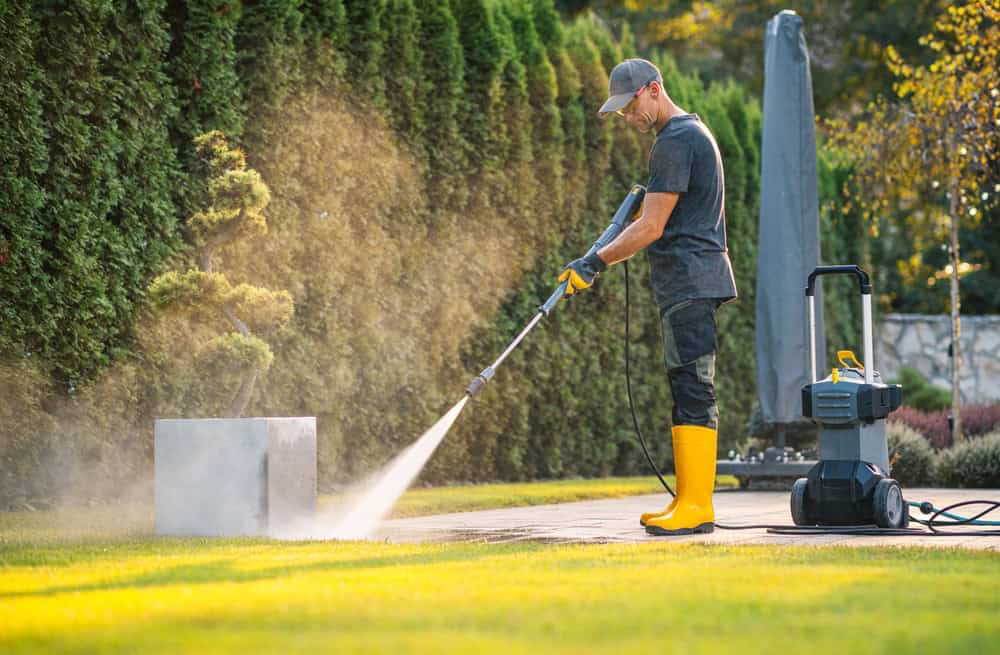
This is the part of fall pest prevention that most companies — and most homeowners — overlook entirely. Exterior cleaning isn’t just cosmetic. Dirty siding, clogged gutters packed with leaf debris, and damp decks covered in organic buildup are active harborage environments for overwintering pests. Insects nest in gutter debris. Mice use organic material piled against your foundation as a staging point. Mold and algae on siding can mask entry points that a technician would otherwise catch during an inspection.
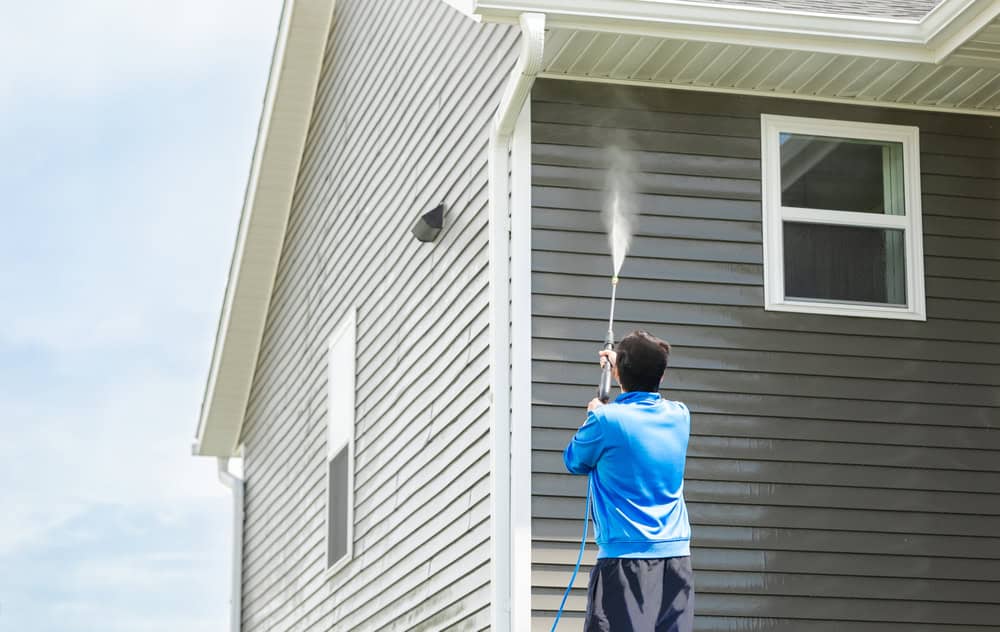
Cleaning your gutters, soft-washing your siding, and clearing your deck before winter doesn’t just make your home look better — it removes the conditions that make pest prevention harder. A clean exterior is easier to inspect, easier to treat, and less attractive to the pests you’re trying to keep out. When those two services happen together, the results are more thorough than either one alone.
For homeowners in Morris County’s lake communities — around Lake Hopatcong or Budd Lake — this is especially relevant. The elevated moisture levels near water create conditions where cockroaches, silverfish, and crickets are more likely to push indoors as temperatures drop. Keeping the exterior clean and dry is a meaningful part of managing that pressure.
We handle both pest control and exterior cleaning — house washing, roof cleaning, gutter cleaning, and deck cleaning — under the same roof. That means a single visit can cover your perimeter treatment, entry point inspection, and exterior cleaning all at once. For homeowners who want their property ready for winter without coordinating multiple vendors, that’s a real difference.
When to Schedule Fall Pest Prevention in Morris County, NJ
The timing question is one we hear often, and the honest answer is: earlier than most people think. September is the ideal window for exterior perimeter treatments in Morris County. The pests are still active and moving, which means a well-applied barrier treatment intercepts them before they’ve found their way inside. Waiting until October is still workable, but you’re racing against the first frost — once temperatures drop hard, some pests have already established themselves in wall voids and attic spaces where surface treatments can’t reach them.
November is when we start getting calls from homeowners who waited. By that point, the conversation shifts from prevention to treatment, and treatment is a harder, longer, more expensive process. We’re not saying that to push urgency for its own sake — it’s just the reality of how these pests behave. They operate on a schedule tied to temperature, and so does effective prevention.
For HOA communities and townhome developments in Parsippany, Randolph, and Denville, timing is even more important. Shared walls and common utility penetrations mean pests that enter one unit can spread through a building quickly. Getting ahead of that in September — with a perimeter treatment across the whole community — is far more effective than addressing individual units after the fact.
If you’re not sure whether your home has been treated recently or whether last year’s service is still doing its job, a fall inspection is the right starting point. We’ll walk the exterior, check the common entry points, and give you a clear picture of what your property actually needs — not a one-size-fits-all package.
Ready to Winterize? Here's How to Get Started with Fall Pest Prevention
Fall pest prevention in Morris County comes down to acting before the cold does. The pests are predictable — the mice, the stink bugs, the cluster flies — and so is the window to stop them. September and October are when prevention actually works. After that, you’re managing a problem instead of preventing one.
The homes that come through winter without a rodent or pest issue are almost always the ones where someone took a few hours in early fall to close the gaps, treat the perimeter, and clean up the conditions that invite pests in the first place. It’s not complicated. It just has to happen at the right time.
If you’re in Morris County and want to get your property ready before winter sets in, we offer same-day appointments when you call before noon. Reach out and we’ll take it from there.