
Summary:
Why DIY Ant Sprays Fail to Eliminate Colonies
DIY sprays kill surface workers but leave the main ant colony untouched, hidden deep within soil, wall voids, insulation, or under concrete slabs, with colonies simply replacing killed workers within days. Killing ants on the surface doesn’t reduce colony strength or eliminate the source of the problem, often creating temporary improvements while allowing colonies to continue growing behind the scenes.
Store-bought sprays are repellent to ants, meaning they avoid sprayed locations and making bait traps unable to accomplish their purpose of luring ants to elimination stations. This creates a counterproductive cycle where your spray treatment actually prevents more effective baiting methods from working.
How Repellent Sprays Scatter Colonies and Make Problems Worse
Most liquid ant killers cause colony segmentation, taking out a few ants while others flee to different locations, making it extra challenging to contain scattered colonies where ant activity spreads to several places around the sprayed area. Instead of solving your ant problem, repellent sprays often multiply it by forcing ants to establish satellite colonies throughout your property.
Using both spray and bait negates the effectiveness of baiting because killing ants before they take bait home does no good – the idea with bait is having them take it back to kill the colony rather than killing individual foraging ants. This is why many homeowners find themselves in an endless cycle of spraying visible ants without ever addressing the source.
We understand that ants hide in difficult-to-reach spots like inside walls, ceilings, and floors, creating nesting areas where even killing visible ants doesn’t stop queen ants from continuing to lay eggs. The queen can produce thousands of eggs, meaning your surface-level spray treatments are fighting a losing battle against an enemy you can’t even see.
Store-bought sprays offer immediate but short-lived results, often evaporating quickly, breaking down when exposed to sunlight, or failing to cling to vertical or porous surfaces, while our professional-grade treatments are designed for lasting residual impact.
The Hidden Cost of Repeated DIY Attempts
While hiring us initially costs more than buying ant spray at the hardware store, the long-term economics often favor professional treatment when you consider the cumulative cost of repeatedly purchasing DIY products that provide only temporary relief. Many homeowners spend hundreds of dollars over months or years on various sprays, baits, and home remedies without achieving lasting results.
Pest control experts agree that home remedies aren’t effective, with the best natural solution being prevention through sealing your home, practicing cleanliness measures, and ensuring proper landscaping maintenance. The time and frustration of constant reapplication, coupled with the stress of ongoing ant problems, often outweighs the initial investment in professional treatment.
The effectiveness of DIY solutions varies greatly and may not be as potent or long-lasting as commercial products, especially in severe infestations, requiring time and effort for preparation plus frequent reapplication, with natural ingredients typically lacking the residual killing power of professional treatments. This creates a cycle where homeowners become trapped in endless maintenance without ever achieving the colony elimination they’re seeking.
Our professional treatments break this cycle by targeting the source rather than the symptoms, delivering comprehensive solutions that address both current infestations and future prevention.
How Professional Ant Baiting Systems Eliminate Entire Colonies
When properly used, baits are by far more effective and safer than sprays, getting to the nest and killing the entire colony through expertise, time and patience – usually the only way to eliminate an entire colony that keeps coming back. Professional baiting systems work by exploiting ants’ natural foraging behavior and social structure.
Bait products must be slow-acting so that foraging ants have time to make their way back to the nest and feed other colony members before they die from the bait. This delayed action is crucial because it allows the toxic bait to spread throughout the colony’s social network, reaching ants you’ll never see including the queen and larvae.
Strategic Bait Placement and Species-Specific Formulations
We properly identify the ant species you’re dealing with and choose baits that are desirable to them, ensuring the bait is taken, while performing detailed inspections to identify strategic locations for bait station placement to ensure effectiveness. This species-specific approach is critical because different ant types have completely different dietary preferences and foraging patterns.
Since each species has unique nesting habits and food sources, correctly identifying the ant type is essential for choosing effective control strategies – odorous house ants prefer sweet bait products, while carpenter ants require more intensive solutions like targeted gel baits, and pavement ants respond better to protein- or grease-based baits.
We use a combination of gel baits placed in strategic, out-of-the-way locations and non-repellent liquid sprays that ants track back to their nests. This dual approach maximizes contact with foraging ants while ensuring they can successfully return to the colony to share the treatment with other members.
Our placement strategy involves identifying ant trails, entry points, and areas of high activity, then positioning bait stations where they’ll be discovered quickly but remain undisturbed by human activity. We understand ant behavior patterns and can predict where colonies are likely to establish satellite feeding areas.
Non-Repellent Residual Treatments for Complete Coverage
Our professional non-repellent sprays allow ants to walk through treated areas and pick up the product on their bodies to take back to their colony, with these inconspicuous treatments taking more time before killing ants but not causing immediate avoidance. This delayed action is actually beneficial because it ensures maximum colony exposure before ants realize the danger.
Non-repellent treatments allow ants to continue their normal routine without knowing they’re transporting pesticide back to the colony, making this approach more effective than repellent alternatives. We combine these residual treatments with baiting systems to create multiple pathways for colony elimination.
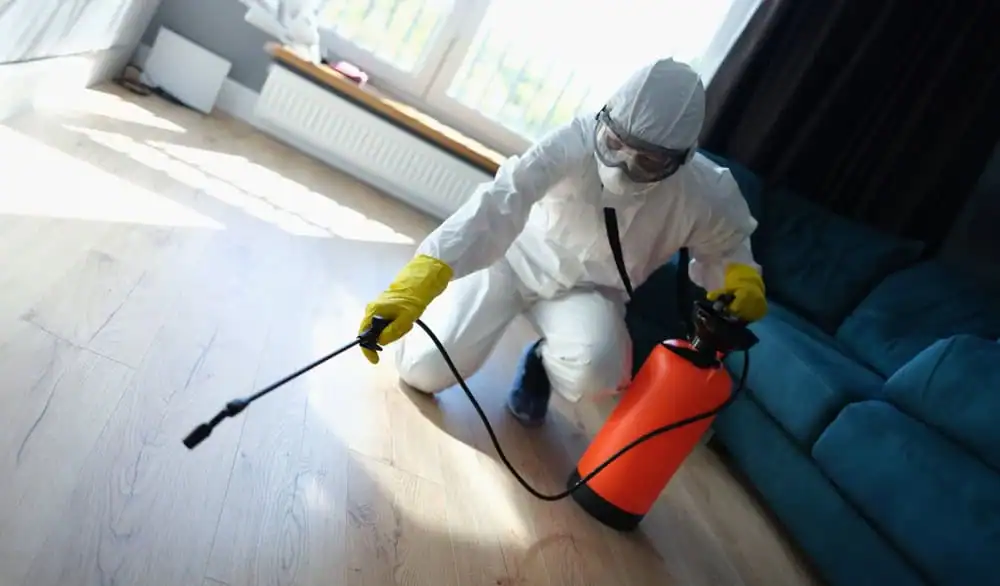
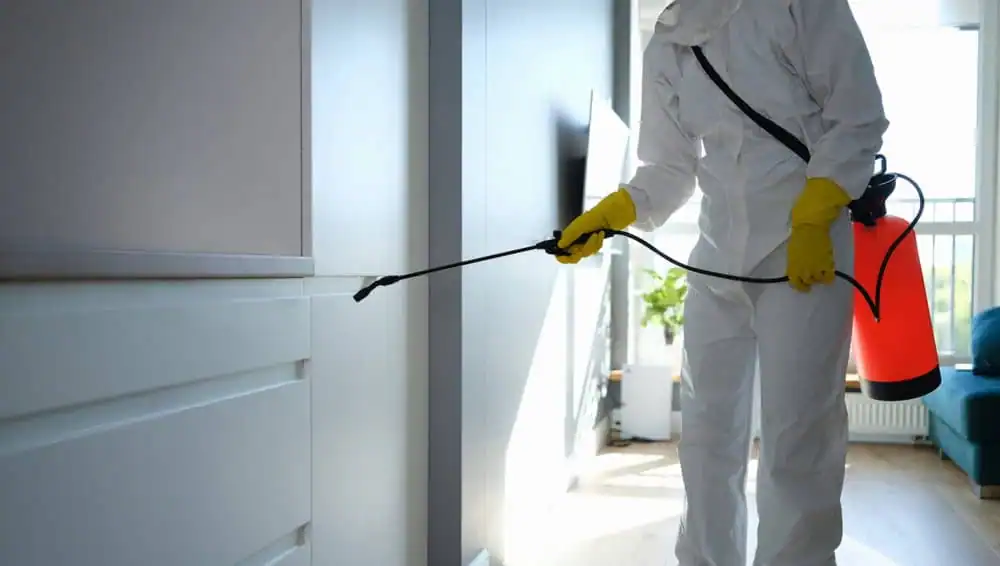
When we use sprays, they’re applied for their intended purpose of exclusion, using EPA-approved products in accordance with safety guidelines and only applied to targeted areas of vulnerability, whether inside or outside the home. This targeted approach ensures maximum effectiveness while maintaining safety for your family and pets.
Our approach integrates prevention, monitoring, and targeted treatments, including identifying and sealing potential entry points to reduce future infestations. This comprehensive strategy addresses both current colonies and the conditions that attracted them initially, providing long-term protection rather than temporary fixes.
Professional Ant Control Delivers Lasting Colony Elimination Results
Our professional ant treatments target the root of the problem, ensuring colonies are fully disrupted and preventing them from returning, while DIY efforts often focus only on visible symptoms. The combination of species identification, strategic baiting, non-repellent residual treatments, and entry point sealing creates a comprehensive solution that addresses both immediate infestations and long-term prevention.
Our personalized approach means listening to your concerns, thoroughly inspecting your property, and developing treatment plans that directly address your home’s specific pest problems with attention to safety for your family and pets. When you’re ready to eliminate ant colonies permanently rather than just managing visible ants, we provide the expertise and advanced treatment methods that deliver lasting results for homeowners throughout Sussex County and Morris County, NJ.