Summary:
Why Health Inspectors Shut Down Businesses Over Pest Control
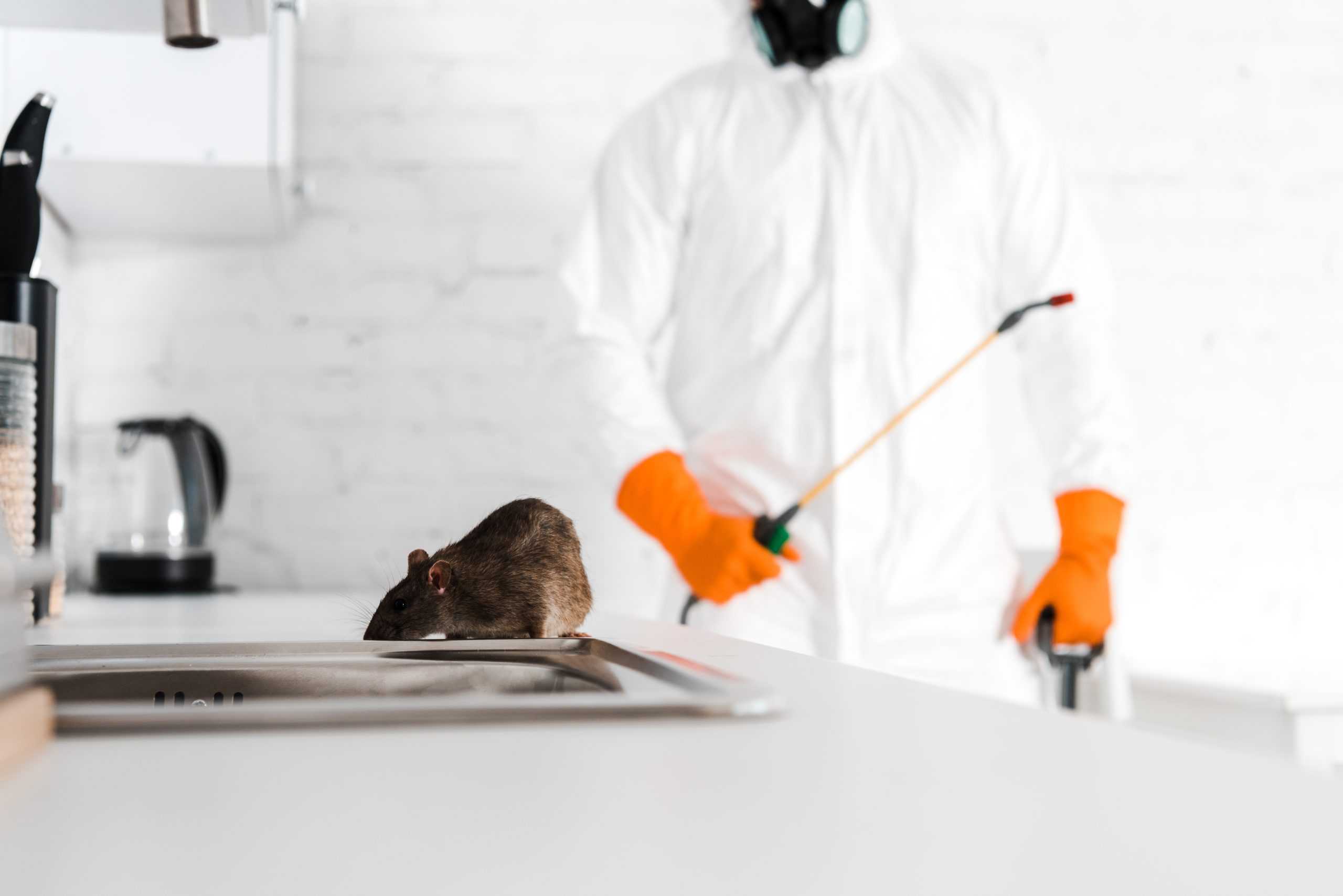
Health department shutdowns aren’t just about finding a live pest. The most common pest-related health code violations include live rodents or insects, pest feces, insect carcasses, and chewed or damaged food packaging. Even finding rodent droppings alone is sufficient for a violation.
Evidence of rats can result in fines ranging from $200-$350 and five or more violation points, with fines and points increasing based on the number of droppings found. But the real damage goes far beyond the immediate fine. When businesses face health code violations that force shutdowns, they lose more than just income during the closure period – they lose customer trust.
The Hidden Cost of Pest Violations Most Business Owners Miss
When a business shuts down due to health code violations, it loses customer trust, and starting over after a violation is much like starting a brand new business, yet with the distinct disadvantage of struggling with a negative reputation. This is the reality most business owners don’t consider when they delay pest control services.
Patrons are wise to be wary of establishments shut down due to health code violations, particularly those involving pests, since rats, cockroaches and mice carry diseases including E. coli and Salmonella. Your customers aren’t just avoiding you during the shutdown – they’re questioning whether they can ever trust your establishment again.
The financial impact extends beyond lost daily revenue. You’re dealing with the cost of fixing the violation, potential legal fees, and the massive expense of rebuilding your reputation. Many businesses never fully recover. A pest problem can close your restaurant down, and those customers you lose as a result are ones you will never get back.
Consider the ripple effect on your employees, suppliers, and business relationships. Staff may seek employment elsewhere during the closure. Suppliers may question your reliability. Business partners may reconsider their associations. What starts as a single pest sighting can unravel years of relationship building and business development.
Which Pests Trigger Immediate Business Shutdowns in New Jersey
Pest control violations are among the third major health violations, and nobody wants to see a roach scurrying across their plate in restaurants that don’t take pest control seriously. But the shutdown triggers extend beyond restaurants to any business where public health is at risk.
Critical violations that could contribute to foodborne illness – such as visible signs of pests – incur a minimum of 5 points, while public health hazards pose immediate health threats with minimum 7-point penalties. Inspectors can close restaurants under certain circumstances, such as repeatedly failed inspections or when inspections reveal public health hazards that cannot be corrected before the end of an inspection.
The most dangerous pest from a shutdown perspective? Rodents. Any live rats found makes this a Condition Level IV violation, and three or more live rats and/or greater than 100 fresh rat droppings makes this a Condition Level V. These aren’t just fines – they’re business-ending scenarios.
But it’s not just about restaurants. Different commercial properties face different pest concerns – restaurants worry about roaches and mice, warehouses about rats damaging products, office buildings about birds roosting and droppings accumulating, and summer camps about ticks and mosquitoes. Regardless of the setting, these situations put everyone at risk – customers, vendors, delivery drivers, and most importantly, you and your employees.
Commercial Pest Management Plans That Keep You Compliant
An establishment’s pest control plan must sufficiently keep out all pests, and if any signs of pest activity arise, the control plan must be revised to improve its effectiveness. This isn’t about reactive pest control – it’s about building a comprehensive defense system.
Smart business owners in Sussex County and Morris County understand that preventative pest services aren’t an expense – they’re insurance against catastrophic business interruption. The most effective commercial pest management plans focus on three core areas: exclusion, monitoring, and rapid response protocols.
How Property Managers Protect Multiple Properties Simultaneously
Property managers need to protect residents and property, requiring expertise in both pest control and wildlife control. Managing multiple commercial properties presents unique challenges that single-location businesses don’t face.
Managing pests in commercial buildings is difficult because it’s challenging to keep pests out of large commercial properties where insects can fly or crawl into open doors, windows, and loading bays, and residents and employees can unknowingly carry them in. Rodents such as rats and mice can crawl into spaces the size of a dime.
The solution lies in systematic, coordinated pest management across all properties. Property managers need prompt and responsive service – when faced with an unforeseen pest infestation, immediate assistance is imperative, not next week. This is where HOA pest control contracts become invaluable.
Effective property management pest control includes regular inspections, tenant education programs, and rapid response protocols. We succeed by preventing pests from getting into buildings, which is far better than reacting to problems once they’ve made a new home on your property. Prevention is always more cost-effective than remediation, especially when you’re managing multiple properties simultaneously.
Health Code Compliant Pest Solutions That Actually Work
The FDA recommends that all food service establishments develop a Hazard Analysis Critical Control Point (HACCP) plan to manage food safety hazards, with successful HACCP plans created using seven principles including hazard analysis. But compliance goes beyond just following guidelines – it requires understanding what health inspectors are actually looking for.
The best preparation involves running test inspections yourself using local health inspection grading criteria, performing thorough inspections in all areas of your establishment, and developing plans to correct possible violations and prevent them from recurring.
Real compliance comes from integrated pest management approaches that address the root causes of pest problems. Integrated Pest Management (IPM) focuses on long-term prevention through manipulation of pest environments, using pesticides sparingly and only when needed. Good IPM practices include limiting pests’ access to your facility, reducing access to food and water, keeping spaces clean, and using pesticides only as a last resort – practices that NYC Department of Health factors into their inspections.
The most successful health code compliant pest solutions combine regular monitoring, employee training, sanitation improvements, and professional pest management services. Employees are an establishment’s first line of defense against pests, so they should be thoroughly educated in standard pest prevention methods and signs of pest activity that should be reported. This comprehensive approach doesn’t just prevent violations – it creates a culture of pest awareness that protects your business long-term.
Protecting Your Sussex County Business From Pest-Related Shutdowns
The difference between businesses that thrive and those that face devastating shutdowns often comes down to one decision: choosing proactive pest management over reactive pest control. You can’t afford to wait until you see pests to take action. By then, the damage to your reputation and bottom line may already be irreversible.
Pest problems can lead to failed health inspections, lost productivity, and tarnished reputation, but investing in a solid pest control program protects your bottom line and brand while giving you one less thing to worry about as you focus on growing your business. The smart business owners in Sussex County and Morris County who understand this principle are the ones who stay open, stay profitable, and sleep well at night.
When you’re ready to protect your business with comprehensive pest management services that keep you compliant and operational, we stand ready to help. Our team understands the unique pest pressures facing businesses in our area, and we’re committed to keeping your doors open and your reputation intact.