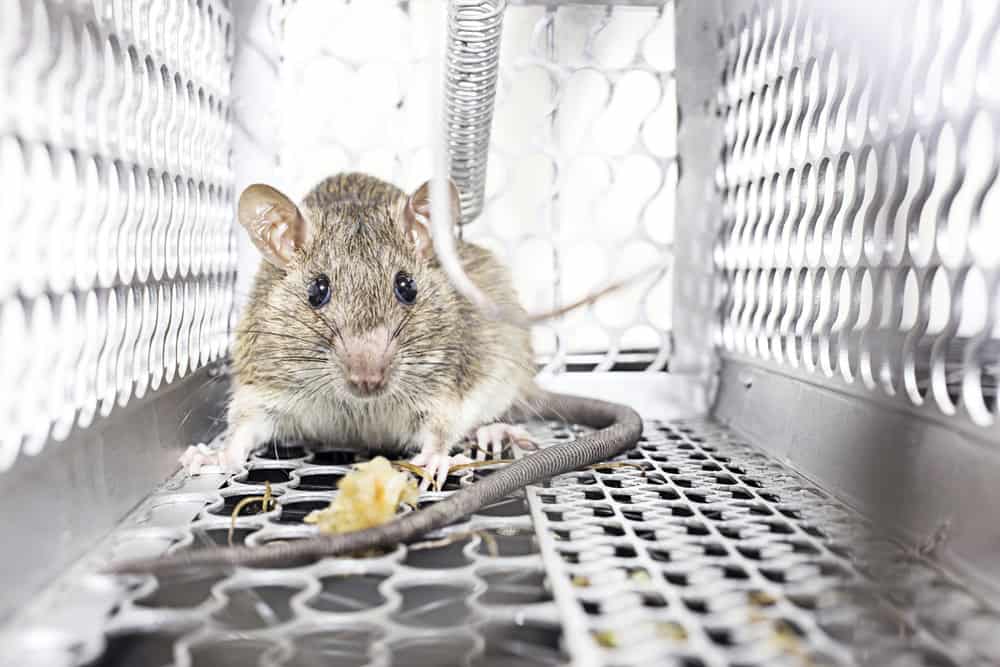
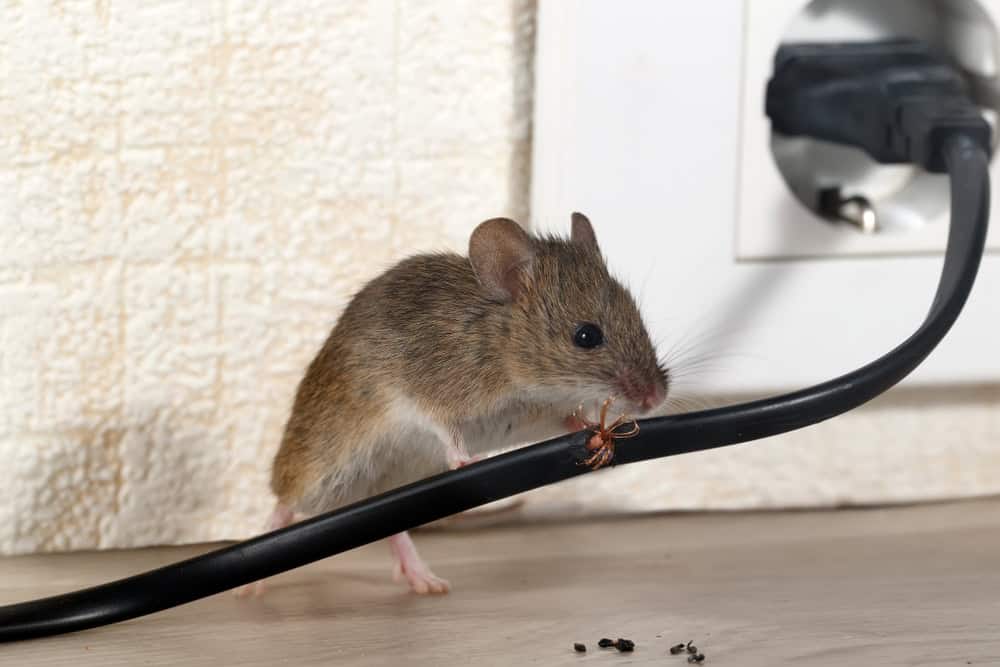
At Prestige Pest Unit, we pride ourselves on being the go-to exterminator service in Hanover, NJ. With years of experience in Morris County, our team is skilled in tackling all types of pest problems. We use cutting-edge technology and environmentally friendly methods to ensure your home is safe and comfortable. Trust us to deliver top-notch exterminator services tailored to your needs.
Hiring a professional exterminator like Prestige Pest Unit in Hanover, NJ is crucial for effectively managing pest issues. Our exterminator services, including residential exterminator and termite exterminator solutions, are designed to protect your home and family. We are committed to serving Morris County with reliable and efficient pest control. Don’t let pests take over your home-reach out to us today at 973-841-8480 for a safer, healthier living environment.
Hanover Township is the site of the first European settlement in northwest New Jersey. New Englanders established a settlement along the Whippany River in 1685 near the current location of the old Whippany Cemetery on Route 10.
Once the Province of West Jersey purchased the land from the local Lenape Native Americans, the original County of Morris was created and comprised all of what is now Morris, Sussex and Warren Counties. The counties were partitioned into townships. Morris’ original township was ‘Whippenny’ which itself comprised all of what is now Morris County.
The name “Hanover” was taken from the House of Hanover in Germany. This namesake was given to the Township of Hanover on December 7, 1720, as a sign of respect to George I of Great Britain who was of the House of Hanover and who ruled over the American colonies in the eighteenth century. Its size has been considerably decreased as the population of the area has increased since the creation of Hanover Township in 1720 and its incorporation on March 25, 1740, with the formation of Morris County. Originally encompassing all of Morris County and parts of Sussex and Warren County, Hanover Township became too unwieldy for a single local government to maintain. The Township was subdivided into smaller municipalities that could provide more responsive local control despite placing greater demands on the local tax base to support new facilities for each.