Summary:
Common Signs of Rodent Activity in Your Home
Rodents are surprisingly sneaky, but they always leave evidence behind. The most obvious signs include small, dark droppings that look like grains of rice scattered near food sources or along baseboards. You’ll typically find these in pantries, under sinks, or anywhere food is stored.
Strange sounds are another dead giveaway. Scratching, scurrying, or squeaking noises coming from walls, ceilings, or attics—especially at night—usually mean mice or rats have moved in. These sounds often intensify during colder months when rodents seek warm shelter indoors.
Physical Evidence: Droppings, Gnaw Marks, and Tracks
Rodent droppings are often the first sign homeowners notice, and they tell you a lot about your unwelcome guests. Mouse droppings are small, about 1/8 to 1/4 inch long, and pointed at both ends. Rat droppings are larger, typically 3/4 inch long with blunt ends, and you’ll find more of them since rats produce 25-50 droppings per day.
Gnaw marks reveal where rodents have been active. Fresh gnaw marks appear lighter in color and may show tooth marks. You’ll commonly find these on food packaging, furniture legs, electrical wires, and even walls. Mice can squeeze through holes as small as a dime, so check for small openings around pipes, vents, and foundation cracks.
Look for greasy rub marks along walls and baseboards too. Rodents have poor eyesight and follow the same paths repeatedly, leaving behind oily smudges from their fur. In dusty areas like basements or attics, you might spot tiny footprints or tail drag marks that confirm their presence.
Sounds, Smells, and Other Warning Signs
The sounds rodents make depend on their species and activity level. Mice create light scratching and scampering sounds, while rats produce heavier thumping and gnawing noises. You’ll hear these sounds most often at dusk and dawn when rodents are most active, though seeing them during daylight doesn’t necessarily indicate a large infestation.
Unusual odors can signal a rodent problem before you see any physical evidence. A persistent musty, stale smell often indicates nesting areas or urine contamination. If the smell becomes stronger or more unpleasant, it might mean a rodent has died somewhere in your walls or crawl spaces.
Pet behavior changes can also alert you to rodent activity. Dogs and cats often detect rodents before humans do, showing increased interest in specific areas, pawing at walls, or staring intently at seemingly empty spaces. Damaged food packaging, scattered pet food, or chewed items around your home are additional red flags that shouldn’t be ignored.
Why Professional Rodent Removal is Essential
While spotting one mouse might seem manageable, rodent problems rarely stay small. A single female mouse can produce up to 50 offspring per year, with babies reaching maturity in just three months. This rapid reproduction means a minor issue can become a major infestation quickly.
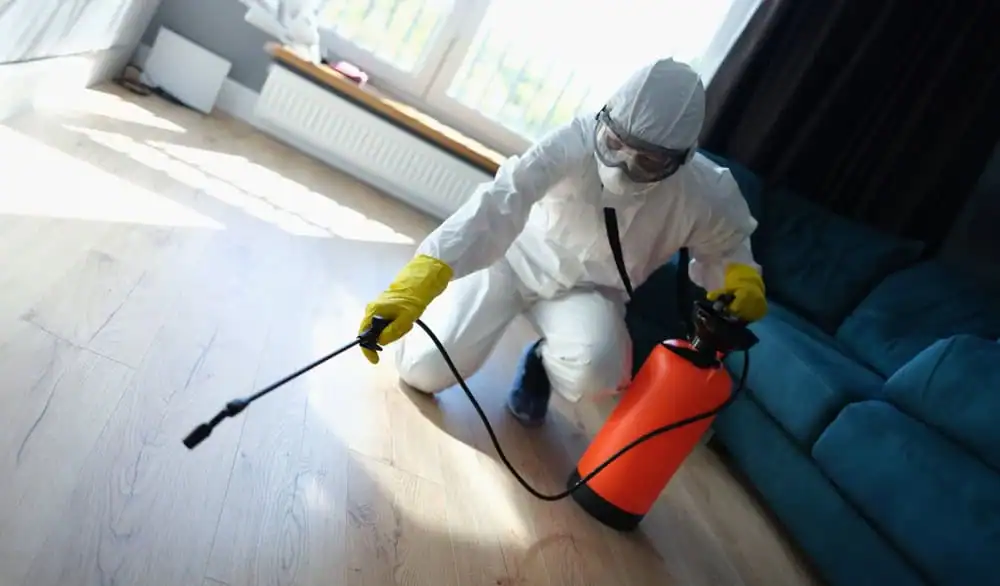
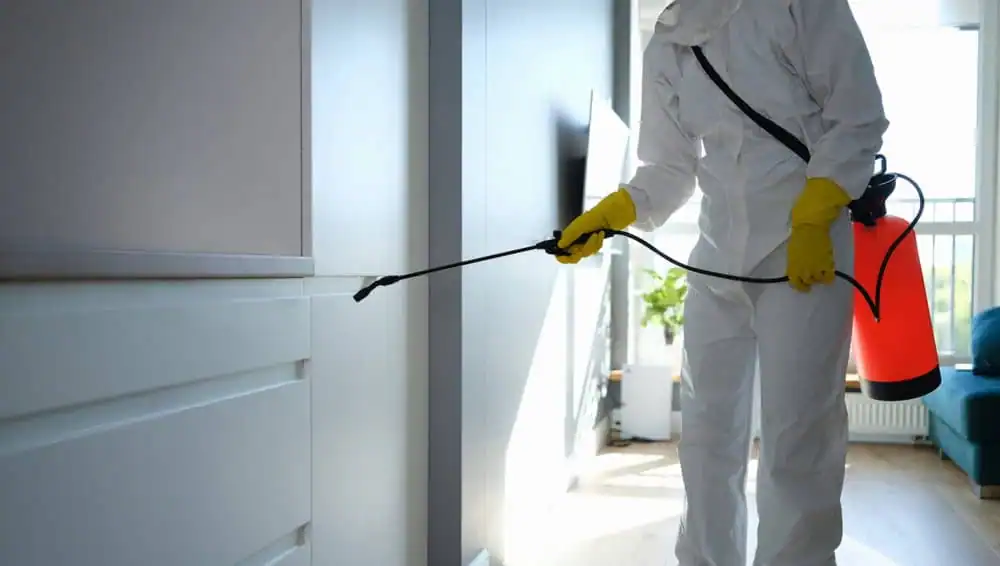
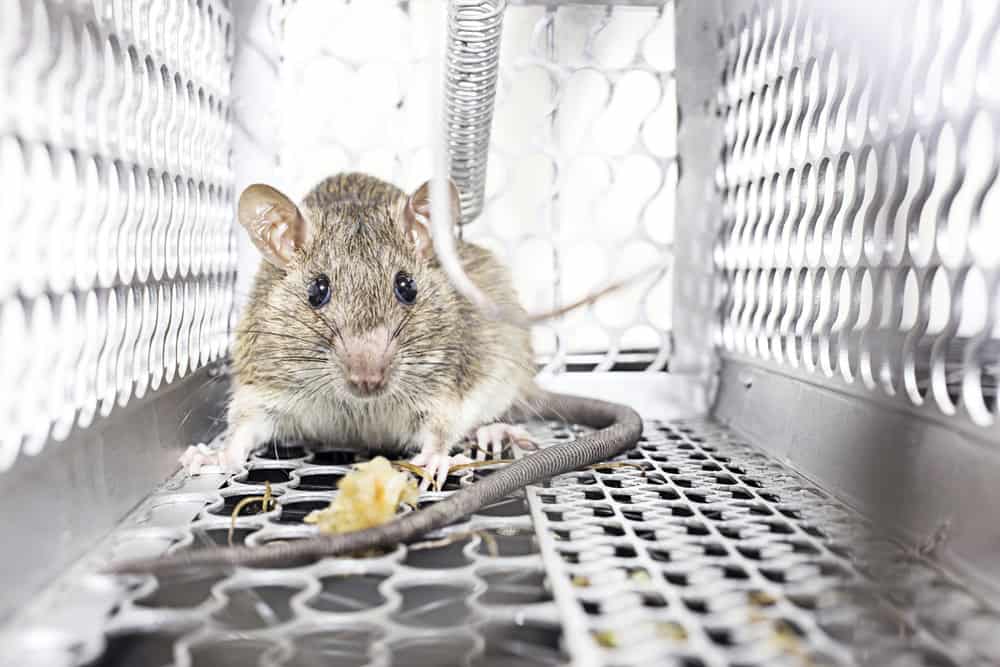
Professional rodent removal goes beyond just setting traps. We identify entry points, eliminate existing populations, and implement exclusion methods to prevent future invasions. DIY approaches often fail because they don’t address the root causes or the full scope of the problem.
Health Risks and Property Damage from Rodents
Rodents pose serious health risks that many homeowners underestimate. They carry and transmit more than 35 diseases worldwide, including potentially fatal conditions like Hantavirus. The White-footed Deer Mouse, common in Morris and Sussex Counties, is a known carrier of Hantavirus and hosts deer ticks that spread Lyme disease.
Food contamination is another major concern. Rodents urinate and defecate constantly as they move, contaminating surfaces and food supplies. Their droppings and urine can become airborne, spreading contamination throughout your home and creating respiratory risks, especially for family members with allergies or asthma.
Property damage from rodents extends beyond the obvious chewed items. Mice and rats gnaw constantly to keep their teeth from overgrowing, and they don’t discriminate between food packaging and electrical wires. Rodent-damaged wiring causes thousands of house fires annually, making professional removal a safety necessity, not just a convenience issue.
Seasonal Rodent Patterns in Morris County, NJ
Morris and Sussex Counties experience predictable rodent activity patterns throughout the year. Fall and winter bring the highest risk of indoor infestations as mice and rats seek warm shelter from cold weather. Environmental factors like drought can also drive occasional invaders like millipedes and clover mites indoors, while rodents follow similar patterns.
The region’s humid, pest-friendly climate creates ideal conditions for rodent populations year-round. Sussex County ranks as the fourth most rodent-infested area in New Jersey, with 17.4% of homes affected. This statistic reflects the area’s combination of rural and suburban environments that provide perfect habitat for various rodent species.
Understanding these patterns helps homeowners stay proactive about prevention and early detection. The most effective rodent control strategies account for seasonal behaviors, local environmental conditions, and the specific species common to northern New Jersey. We’re familiar with regional patterns and can provide targeted solutions that address both immediate problems and long-term prevention.
Taking Action Against Rodent Problems in Your Home
Recognizing the signs of rodent activity early gives you the best chance of preventing a minor problem from becoming a major headache. From mysterious droppings and gnaw marks to strange sounds and unusual odors, these warning signals shouldn’t be ignored.
Professional rodent removal provides the comprehensive approach needed for lasting results. Rather than playing guessing games with DIY traps, we can identify the full scope of your problem and implement solutions that address both current infestations and future prevention.
If you’re noticing any of these warning signs in your Morris County home, don’t wait for the problem to get worse. Contact Prestige Pest Unit & House Wash for a thorough inspection and customized treatment plan that protects your family and property.