Summary:
Fall in Morris County moves fast. One week you’re dealing with summer mosquito complaints, and the next, residents are reporting mice in the walls. For HOA boards and property managers, that seasonal shift is exactly when things get missed — and when the cost of missing them starts to compound.
A proper fall property inspection isn’t just a walkthrough. It’s the difference between catching a small problem in October and dealing with a full infestation by January. This checklist is built for multi-unit communities — townhomes, condos, and shared-wall properties — where one overlooked entry point doesn’t just affect one unit. It affects everyone next to it.
Fall Maintenance Checklist for HOA Communities in Morris County
Morris County’s landscape is part of what makes it such a desirable place to live — the tree canopy, the wooded lots bordering communities near Lewis Morris County Park or Mahlon Dickerson Reservation, the quiet suburban feel. It’s also exactly what makes fall property maintenance more demanding here than in more urban markets. Dense foliage means heavy gutter loads, moisture buildup on siding, and direct wildlife corridors running right up to your community’s foundation line.
A fall maintenance checklist for an HOA community needs to cover more than aesthetics. You’re looking at structural vulnerabilities, pest entry points, exterior surface conditions, and drainage — all at once, and across multiple units simultaneously. Professional exterminator services can help address pest entry points before seasonal problems become larger infestations.
HOA Maintenance: What to Inspect on the Exterior Before Winter
Start at the roofline and work your way down. Gutters are the first thing to check — not just for debris, but for sagging sections, separated joints, and downspouts that aren’t directing water far enough away from the foundation. Clogged gutters don’t just cause water damage. Standing moisture in gutters and along fascia boards creates exactly the conditions that attract carpenter ants, termites, and overwintering insects looking for a damp, sheltered spot.
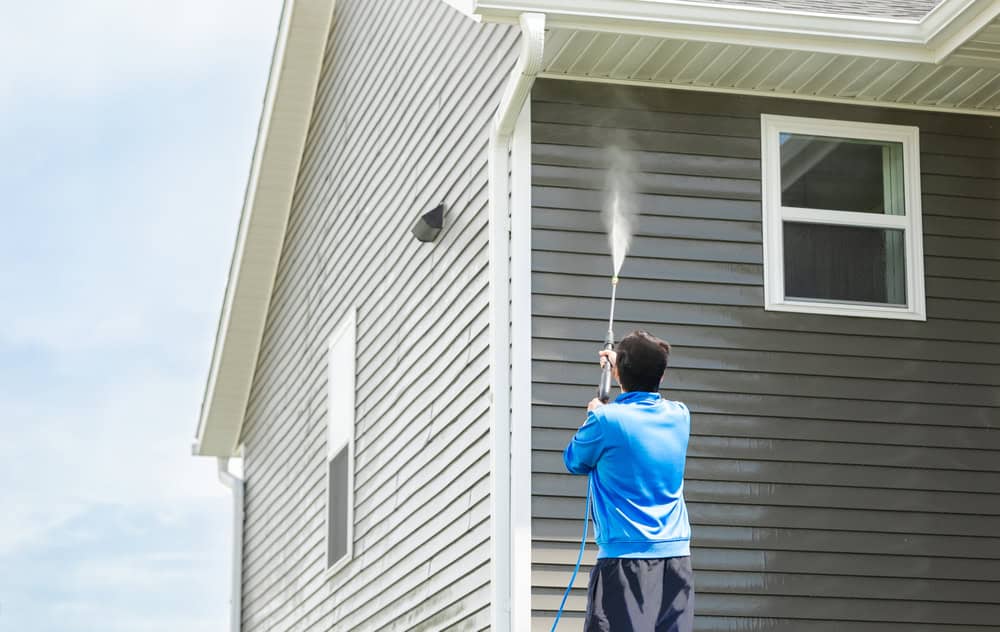
Siding is next. Look for cracks, gaps around utility penetrations, and any areas where the caulking has pulled away from window frames or door thresholds. These aren’t just weatherproofing issues — they’re open invitations for rodents. A mouse can squeeze through a gap the size of a dime. In shared-wall townhomes, that entry point in one unit becomes a pathway to the next. When temperatures drop below 50°F, rodents start actively searching for warmth. Morris County hits that threshold regularly by late October.
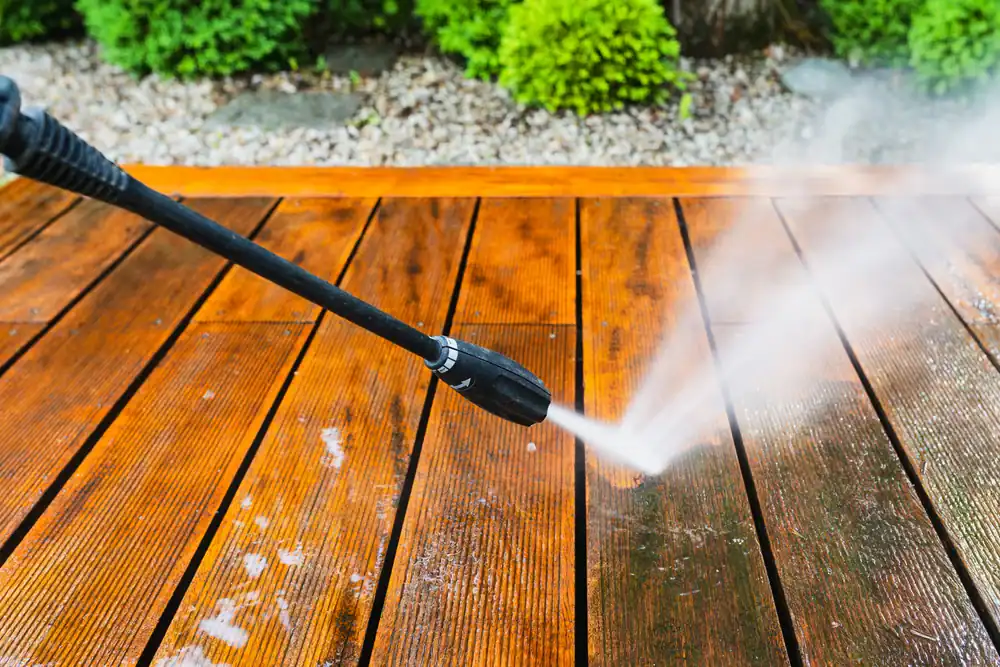
Decks and patios need a close look too. Rotting wood, deteriorating boards, and gaps between deck posts and the building exterior are prime real estate for carpenter ants and termites. If a deck hasn’t been cleaned and resealed in the last year or two, fall is the time. Beyond the structural concern, organic buildup on wood surfaces — algae, mold, debris — accelerates deterioration and makes the problem worse by spring.
Finally, walk the foundation perimeter of every unit. Look for cracks, gaps around pipes, and areas where soil has settled away from the building. These are the entry points that matter most for rodents and ground-level insects. Document what you find so you can prioritize repairs and treatments before the first hard freeze.
Property Maintenance Checklist: Common Areas, Shared Spaces, and Pest Pressure Points
Individual unit exteriors are only half the picture. In a Morris County HOA community, the common areas often carry the highest pest risk — and the highest liability exposure.
Shared green spaces, walking paths, and landscaped buffers that border wooded areas are ground zero for tick activity. Morris County sits squarely in one of New Jersey’s highest-risk zones for Lyme disease. If your community has trails, open lawn areas, or landscaping that runs up against tree lines, that’s not a cosmetic concern — it’s a genuine public health issue for residents and their families. Fall is one of the most active periods for deer ticks, which remain mobile until temperatures consistently stay below freezing.
Storm drains and catch basins in parking areas and common spaces should be checked for debris and cleared. Blocked drainage creates standing water, which is a mosquito breeding site in warmer fall weeks and a moisture attractor for pests year-round. Annual clearing is realistic for heavily wooded communities with significant leaf fall.
Dumpster enclosures, mailbox clusters, and community entry areas deserve specific attention. These spots accumulate organic material, food debris, and harborage conditions that rodents and cockroaches exploit. In multi-unit communities, a pest population that establishes itself near a shared dumpster area can spread into adjacent units through utility chases and shared wall voids faster than most boards realize. You’re not managing individual unit problems — you’re managing a community-wide ecosystem. Treating one unit while leaving adjacent conditions untouched rarely solves anything for long.
Coordinating Pest Control and Exterior Cleaning as a Single Fall Service
Most HOA boards manage pest control and exterior cleaning as completely separate vendor relationships — separate schedules, separate invoices, separate coordination calls. That’s a reasonable approach if you have no other option. But it creates gaps. A cleaning crew washes the siding and moves on. A pest control technician treats interior units and moves on. Nobody is looking at both systems together, which means nobody catches the connection between the algae buildup on the north-facing wall and the moisture conditions drawing insects to that exact corner of the building.
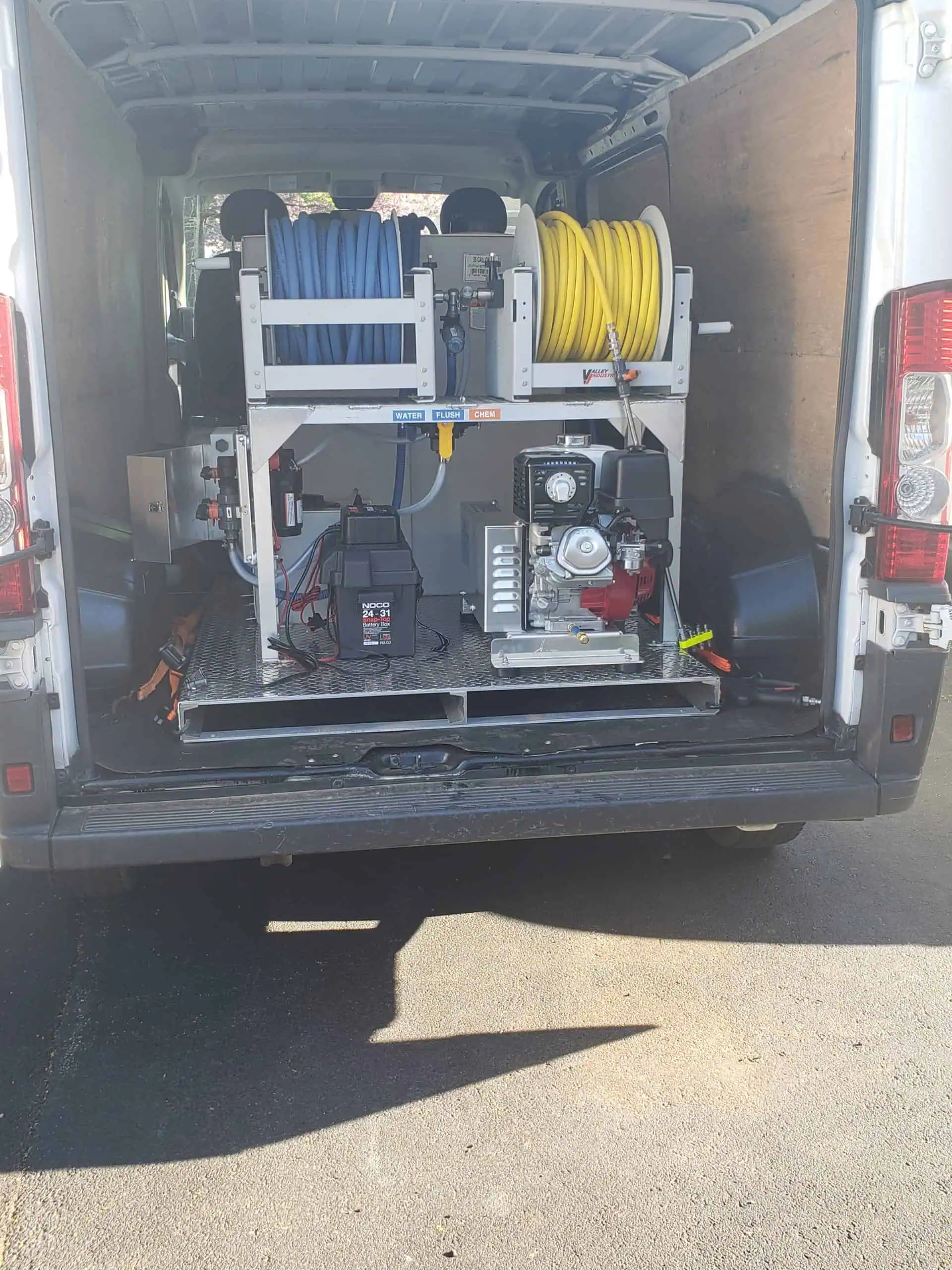
We handle both services under one roof, which means our technicians are trained to spot pest vulnerabilities during exterior cleaning visits and vice versa. That feedback loop matters more in multi-unit properties than anywhere else.
How to Schedule Fall Pest Control Across Multiple Units Without Disrupting Residents
Coordinating pest treatments across a community of 20, 40, or 80 units is a legitimate logistical challenge. Residents need advance notice. Some need to be home; others need to be out. Pets need to be secured. Board members need documentation of what was treated, when, and with what products — both for resident communication and for liability records.
The scheduling approach that works best for HOA communities is a phased building-by-building structure, with written notice distributed to residents at least 48 to 72 hours in advance. For fall treatments specifically, exterior perimeter work can often be done without resident access, which simplifies the scheduling significantly. Interior treatments — particularly for units with reported rodent activity or shared-wall cockroach pressure — require individual coordination, but those can be layered in as a second phase once exterior exclusion work is complete.
Documentation is non-negotiable. Every service visit should produce a written record of the areas treated, the products used, and any conditions noted for follow-up. This isn’t just good practice — it’s what HOA boards need to answer resident questions, justify budget line items, and demonstrate due diligence if a problem escalates. If your current provider isn’t giving you written service reports after every visit, that’s a gap worth addressing before winter.
For communities working with a professional property management company — and there are several active in Morris County, including firms that specialize specifically in the local HOA landscape — coordinating pest control through the management company’s vendor roster can streamline approvals and scheduling. Either way, the key is getting the fall service window scheduled before November. Once temperatures are consistently below 50°F, you’re no longer preventing entry — you’re responding to an infestation that’s already underway.
How to Budget for HOA Fall Property Maintenance Without Getting Caught Short
HOA budgets run on a calendar year in most communities, which means fall is exactly the right time to plan — not scramble. The boards that handle fall maintenance well are the ones that build it into the annual budget as a predictable line item, not a reactive emergency expense.
Pest control for a multi-unit community is almost always more cost-effective when structured as an annual service agreement rather than per-incident calls. Annual agreements typically include scheduled seasonal treatments, priority response for in-season issues, and documentation for the full year. That predictability is valuable for budget planning, and the per-visit cost is consistently lower than reactive service calls. For Morris County communities where property values average well above $600,000 per unit, the cost of a professional annual pest control program is a fraction of what a single serious infestation can cost in remediation, resident complaints, and resale impact.
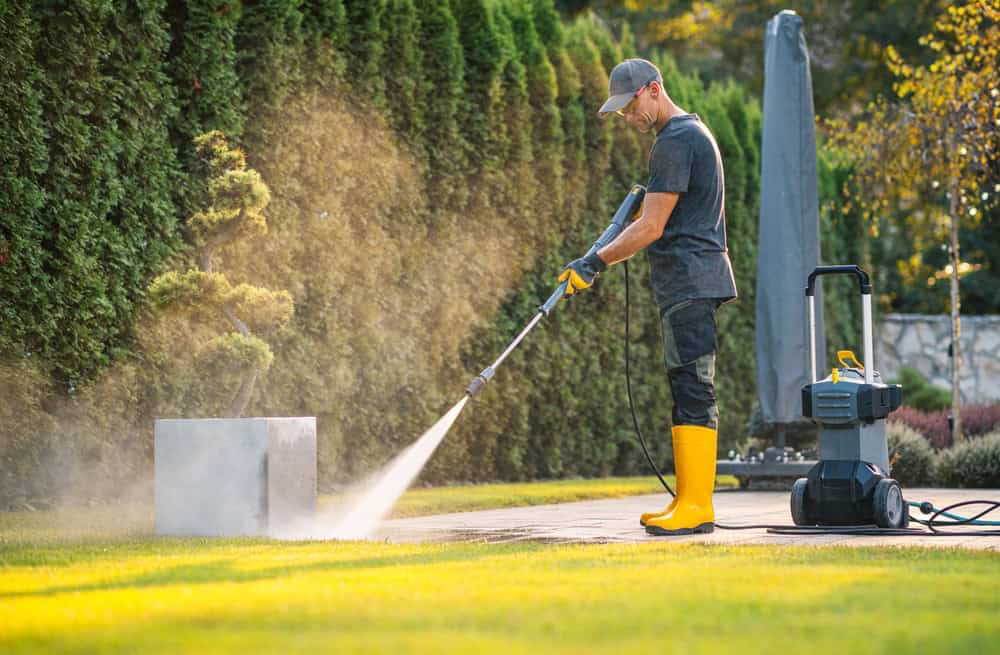
Exterior cleaning — house washing, gutter cleaning, deck cleaning — follows a similar logic. Scheduling these services in fall, before winter weather sets in, extends the life of exterior surfaces and prevents the moisture and debris conditions that make pest pressure worse. Combining pest control and exterior cleaning into a single service relationship reduces the administrative burden on the board and often results in better overall coverage, since the same team is looking at the property from multiple angles.
One practical note on timing: if your HOA’s fiscal year ends in December, fall is the window to use remaining maintenance budget strategically and lock in service agreements for the following year. Waiting until January means competing with every other community that also waited — and in a market like Morris County, where demand for licensed, insured service providers is high, scheduling availability in late winter and early spring fills up quickly.
When to Schedule Your HOA's Fall Property Inspection in Morris County
The short answer is: before the leaves are fully down. September through mid-October is the ideal window to conduct a thorough exterior walkthrough, identify vulnerabilities, and get pest control and cleaning services on the calendar. By the time November arrives and temperatures are dropping consistently, the best you can do is respond — the prevention window has closed.
For Morris County HOA communities specifically, the combination of wooded surroundings, high-value properties, and shared-wall construction makes fall inspection more than a routine maintenance task. It’s the single highest-leverage thing a board can do to protect residents and property values heading into winter.
If you’re ready to get your community’s fall maintenance scheduled — pest control, exterior cleaning, or both — reach out to us at Prestige Pest Unit & House Wash. We’re based right next door in Sussex County, we offer same-day appointments when you call before noon, and we back every service with a 100% satisfaction guarantee.